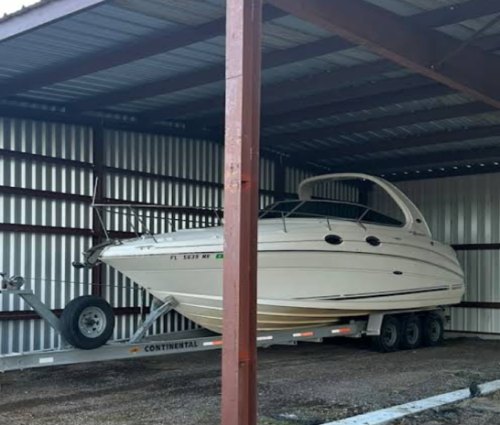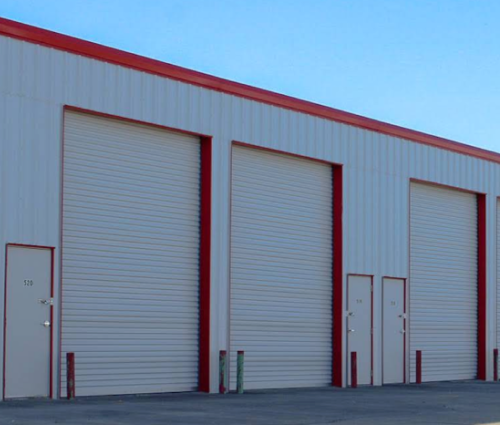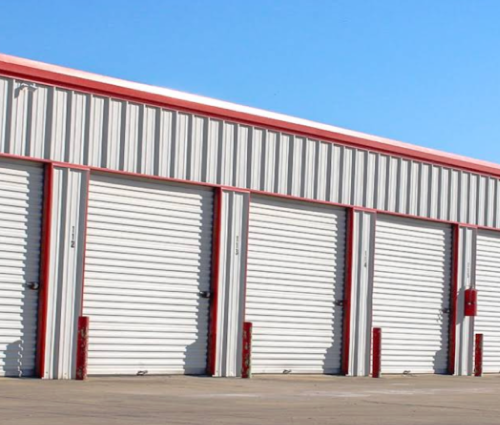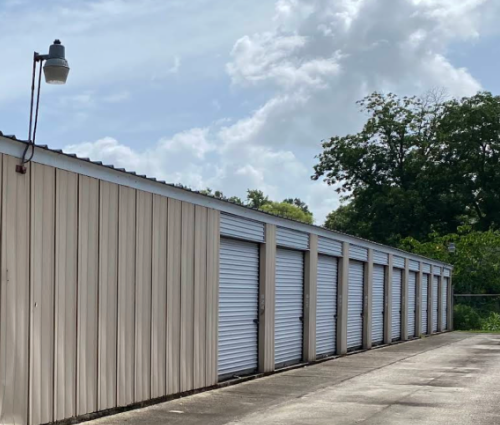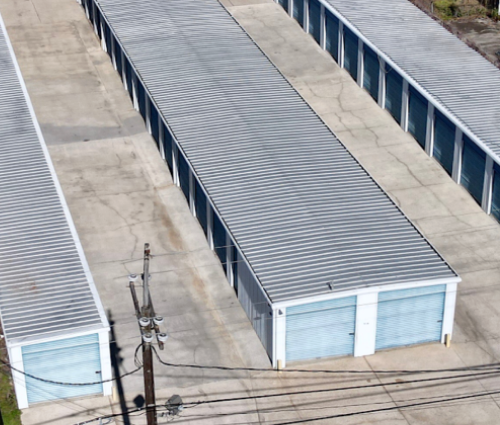
Vehicle Storage Cost Per Month: Full Breakdown

February 23, 2026
The body content of your po  Vehicle Storage Cost Per Month: Full Breakdown Vehicle storage units cost between $50 and $400 per month in 2026, depending on storage type, unit size, location, and security features. Outdoor uncovered parking averages $50 to $100. Covered outdoor runs $75 to $175. Enclosed non-climate units range from $100 to $275. Climate-controlled indoor storage costs $150 to $400 or more. Vehicle size, contract length, and add-on fees further adjust these numbers. This guide breaks down every cost factor so you can budget accurately and avoid overpaying for features you do not need.

The question is deceptively simple: how much does a vehicle storage unit cost? The answer is not. Pricing varies by a factor of eight between the cheapest outdoor lot in rural Oklahoma and a climate-controlled garage unit in coastal California. Without understanding what drives those differences, you are either overpaying for protection you do not need or underspending on protection you do.

Vehicle storage is a growing market for good reason. The U.S. Bureau of Transportation Statistics reports over 283 million registered vehicles in the United States, and the average American household owns nearly two of them. Not every household has two garage bays. Many have none. Add seasonal vehicles, project cars, military deployments, and HOA restrictions to the equation, and the demand for off-site vehicle storage becomes clear.

This pricing guide covers every variable that affects your monthly cost, with specific numbers, comparison tables, and the context you need to make a smart decision.

What Is the Average Monthly Cost of Vehicle Storage Units for a Standard Car?

For a standard sedan, coupe, or small crossover (vehicles under 18 feet in length), here is what the national market looks like in 2026.

Vehicle Storage Units Cost by Storage Type: Standard Cars

   
Storage Type Monthly Cost Range National Average
Outdoor uncovered $45 - $95 ~$70
Outdoor covered $75 - $150 ~$110
Enclosed non-climate $100 - $250 ~$170
Enclosed climate-controlled $150 - $375 ~$245

These figures reflect a standard 10x20-foot unit or equivalent parking space, which accommodates most passenger cars with room to open doors and access the trunk.

The national average across all storage types for a standard car lands around $150 per month. But that average obscures significant regional and feature-based variation, which is why the range matters more than the midpoint.

If you want to compare real pricing at actual facilities near you, Good Boy Storage locations publish transparent rates by unit type and size.

How Does the Cost of Indoor Vehicle Storage Units Compare to Outdoor Parking Spaces?

This is the most common pricing comparison vehicle owners make, and the gap is wider than most people expect.

Indoor vs. Outdoor Vehicle Storage: Cost and Value Comparison

   
Factor Outdoor Parking Indoor Storage
Monthly cost (standard car) $50 - $100 $100 - $375
Weather protection None to partial (if covered) Complete
Security Perimeter fence, shared lot Enclosed unit, personal lock, cameras
Climate control Not available Available at premium facilities
Pest protection Minimal Sealed environment
UV/sun damage prevention None (uncovered) or partial (covered) Complete
Best for Short-term, lower-value vehicles Long-term, high-value, or sensitive vehicles

Indoor storage costs roughly 2x to 3.5x more than basic outdoor parking. That premium buys full enclosure, an individual locking door, and protection from every environmental threat: weather, UV, pests, dust, and unauthorized access.

The cost difference is justified when the vehicle's value or the storage duration warrants it. A $5,000 commuter car stored for three months does not need a $300 per month indoor unit. A $65,000 classic Mustang stored for a year absolutely does.

Which Factors Influence Vehicle Storage Units Cost Such as Unit Size and Security Level?

Vehicle storage pricing is not a single number. It is a formula with five primary inputs. Understanding each one gives you control over your final monthly cost.

Factor 1: Unit Size

Unit size is the most direct cost driver. Larger vehicles require more square footage, and more square footage costs more.

   
Vehicle Type Recommended Unit Typical Monthly Range
Compact car (Civic, Corolla) 10x15 or 10x20 ft $80 - $200
Mid-size sedan (Camry, Accord) 10x20 ft $90 - $250
Full-size sedan (Charger, Impala) 10x20 ft $100 - $260
Small SUV or crossover 10x20 ft $100 - $260
Full-size SUV (Tahoe, Expedition) 10x25 or 10x30 ft $130 - $325
Full-size pickup truck 10x25 or 10x30 ft $130 - $325
Extended cab truck with long bed 10x30 ft or larger $150 - $375
Sizing tip: Always measure your vehicle's total length (including any hitch, bike rack, or tow bar) and add at least two feet for door clearance and walking space. Booking a unit that is too small is a common and costly mistake.

Factor 2: Storage Type

As detailed above, the spectrum from outdoor uncovered to climate-controlled indoor represents a 3x to 5x cost multiplier. Choose the type that matches your vehicle's value and your storage duration, not the one that sounds most impressive.

Factor 3: Geographic Location

Location affects vehicle storage cost as much as unit type. The same 10x20 enclosed unit costs dramatically different amounts in San Francisco versus Tulsa.

   
Market Type Cost Modifier Examples
Major coastal metros +30% to +60% above national avg NYC, LA, SF, Miami, Boston
Sun Belt cities +10% to +25% Dallas, Phoenix, Atlanta, Tampa
Midwest metros -5% to +10% Chicago, Columbus, Indianapolis
Suburban markets -10% to -20% Most suburban areas 20+ miles from city center
Rural markets -20% to -35% Small towns, agricultural regions

The U.S. Bureau of Labor Statistics tracks cost-of-living indices that correlate directly with storage pricing. Land costs, labor costs, property taxes, and local demand all feed into facility operating expenses, which are passed through to monthly rates.

Factor 4: Security Level

Security infrastructure adds operating cost to a facility, which shows up in your rate.

   
Security Level Features Cost Impact
Basic Perimeter fence, padlock Baseline
Standard Gated entry, basic cameras, lighting +5% to 10%
Enhanced 24/7 monitored cameras, coded gate, individual alarms +10% to 20%
Premium On-site staff, app access, motion sensors, recorded footage +15% to 25%

According to the FBI's Uniform Crime Reporting program , motor vehicle theft exceeded 1 million incidents annually in both 2022 and 2023. The security premium at a well-managed facility is inexpensive relative to the cost of a stolen or vandalized vehicle.

Factor 5: Contract Length and Payment Terms

This is the variable you have the most control over. Facilities reward commitment with lower rates.

   
Contract Length Typical Discount
Month-to-month 0% (full rate)
3-month prepay 5% - 8%
6-month prepay 8% - 12%
12-month prepay 10% - 15%

A vehicle owner paying $200 per month on a rolling basis spends $2,400 per year. The same owner prepaying 12 months at a 12% discount spends $2,112, saving $288 without changing anything about the storage itself.

How Much More Do Climate-Controlled Vehicle Storage Units Cost Versus Standard Units?

Climate-controlled storage adds a predictable premium over non-climate enclosed units. The premium covers the cost of HVAC equipment, electricity, insulation, and the more sophisticated building construction required to maintain regulated conditions.

Climate-Control Premium by Unit Size

   
Unit Size Non-Climate Enclosed Climate-Controlled Monthly Premium
10x15 ft $100 - $180 $150 - $260 +$40 to $80
10x20 ft $130 - $250 $180 - $350 +$50 to $100
10x25 ft $160 - $300 $220 - $400 +$60 to $110
10x30 ft $190 - $350 $260 - $450+ +$70 to $120

Climate-controlled units typically maintain temperatures between 55 and 80 degrees Fahrenheit and humidity below 55%. This matters for vehicles with leather interiors, wood trim, sensitive electronics, aftermarket audio systems, or any paint and finish that humidity degrades.

The break-even question: If your vehicle is worth $30,000 and climate control costs an extra $75 per month, you are paying $900 per year to protect a $30,000 asset. That is a 3% annual insurance cost on the vehicle's value. For most owners, that math works. For a $10,000 daily driver stored for four months, the $300 premium is harder to justify.

Where Can I Find Low-Cost Vehicle Storage Units That Are Still Safe and Well Lit?

Low cost does not have to mean low quality, but it requires knowing where to look and what to prioritize.

Three strategies for finding affordable, secure vehicle storage:

1. Go suburban. Facilities 15 to 30 miles outside major metro centers typically price 20% to 35% below their urban counterparts. The security infrastructure is often identical because the same management companies operate both. The difference is land cost, and that savings passes directly to you.

2. Choose covered over enclosed. If your primary concern is weather protection rather than full enclosure, covered outdoor parking at $75 to $150 per month delivers 80% of the protection at roughly 50% of the enclosed price. You lose walls and a personal lock but gain a roof, reserved space, and facility security.

3. Commit to a longer term. The difference between month-to-month and a six-month prepay is real money. On a $150 per month unit, a 10% prepay discount saves $90 over six months. That is a free month of storage spread across the commitment.

What to never sacrifice for a lower price: gated or fenced perimeter, functional lighting across the entire lot, and working surveillance cameras. These three features represent the minimum security threshold. Anything below that is not storage. It is parking in someone's field.

Good Boy Storage operates facilities designed to deliver professional security and quality at fair market rates. Browse locations near you to compare pricing.

What Are Typical Long-Term Discounts on Vehicle Storage Units Cost for Multi-Month Rentals?

Long-term rental discounts are standard in the vehicle storage industry. The logic is straightforward from the facility's perspective: a committed tenant eliminates vacancy risk, reduces administrative turnover costs, and guarantees revenue. In return, they share some of that value with you through a lower rate.

Typical discount structures across the industry:

   
Commitment Discount Range Annual Savings on $175/mo Unit
3-month prepay 5% - 8% $105 - $168 (annualized)
6-month prepay 8% - 12% $168 - $252 (annualized)
12-month prepay 10% - 15% $210 - $315
Multi-vehicle (2+) 10% - 20% off total Varies by vehicle count
Referral credit 1 month free or $50-$100 credit One-time

Some facilities also offer first-month-free promotions, especially during slower leasing periods (January through March in most markets). These promotions are legitimate deals, not quality red flags.

Ask this question directly:"What is the best all-in rate you can offer for [X months] on a [unit size]?" Facility managers frequently have authority to apply discounts that are not posted publicly, especially when you are ready to commit.

How Can I Estimate Vehicle Storage Units Cost for an Oversized Truck or SUV?

Oversized vehicles require larger units, which means higher monthly costs. But "oversized" is relative, and the pricing penalty is proportional.

Oversized Vehicle Storage Cost Estimates

   
Vehicle Approx. Length Recommended Unit Estimated Monthly Cost
Ford F-150 SuperCrew (5.5 ft bed) 19.5 ft 10x20 or 10x25 ft $120 - $280
Ram 2500 Mega Cab (6.4 ft bed) 21.5 ft 10x25 ft $140 - $310
Ford F-350 Crew Cab (8 ft bed) 23 ft 10x25 or 10x30 ft $155 - $340
Chevy Suburban 18.7 ft 10x20 ft $110 - $270
Ford Excursion 19 ft 10x20 ft $115 - $275
Dodge Durango with trailer hitch 17 ft + 2 ft hitch 10x20 ft $100 - $260

The key variable for oversized vehicles is not just length. Height matters for enclosed and covered units. A lifted truck with a roof rack or toolbox can exceed 7 feet, which is fine for most units but worth confirming. Width matters too: a dually truck (8 feet wide at the rear fenders) needs clearance that a standard 10-foot-wide unit provides, but barely.

Always bring measurements, not assumptions. The National Highway Traffic Safety Administration (NHTSA) publishes vehicle specifications including dimensions for most models, which you can cross-reference against unit sizes before booking.

Where Can I Compare Vehicle Storage Units Cost Across Multiple Facilities Near Me?

Comparing facilities efficiently saves time and money. Here is a framework for making apples-to-apples comparisons.

Step 1: Standardize your search criteria. Before contacting any facility, define exactly what you need: storage type (outdoor, covered, enclosed, climate-controlled), unit size, desired contract length, and required security features. This prevents comparing a $75 outdoor lot to a $250 enclosed unit and drawing meaningless conclusions.

Step 2: Request all-in quotes. Ask every facility for the total monthly cost including all mandatory fees: admin fees, insurance or tenant protection requirements, gate access deposits, lock purchases, and any recurring charges beyond the base rental rate. The facility quoting $150 with $30 in monthly add-ons actually costs $180.

Step 3: Evaluate location and access. A facility that is $25 per month cheaper but 30 miles farther from your home adds fuel cost and time cost every time you visit. Factor in how often you plan to access your vehicle.

Step 4: Visit before committing. Photos and websites do not show you everything. Visit to confirm the actual condition of the facility, the functionality of security systems, the cleanliness of units, and the quality of the access roads and driveways.

Contact Good Boy Storage for a transparent, all-in quote that includes every cost you will see on your monthly statement. No surprises, no fine-print fees.

What Extra Fees Should I Expect on Top of the Base Vehicle Storage Units Cost?

Base rental rate is not always your total monthly cost. Knowing where additional fees hide helps you budget accurately.

Common Vehicle Storage Fees Beyond Base Rent

   
Fee Type Typical Amount Frequency Avoidable?
Administrative/setup fee $15 - $50 One-time at move-in Sometimes waived for long-term
Tenant protection/insurance $10 - $30/month Monthly Required at most facilities
Lock purchase $10 - $25 One-time Bring your own if permitted
Gate access device deposit $25 - $50 Refundable deposit Standard
Late payment fee $15 - $50 Per occurrence Yes, by paying on time
Rate increase after promo 5% - 20% above promo rate After promotional period ends Ask for rate-lock provision
After-hours access surcharge $0 - $25/visit Per occurrence Rare, but ask upfront

The most significant hidden cost is the post-promotional rate increase. If a facility advertises "first month $99" but the standard rate is $195, your actual cost over 12 months is $2,244, not $1,188. Always ask: "What will my rate be in month two and beyond?"

Tenant protection or insurance is mandatory at most professionally managed facilities. Good Boy Storage's tenant protection plan provides transparent, competitively priced coverage that satisfies this requirement without the complexity of adjusting your personal auto insurance policy.

How Do Contract Length and Prepayment Affect Overall Vehicle Storage Units Cost?

Contract structure is where informed tenants save the most money with the least effort. The math is simple, but the savings are meaningful over time.

Scenario: 10x20 enclosed unit at $200 per month listed rate

   
Payment Approach Monthly Effective Rate 12-Month Total Annual Savings
Month-to-month $200 $2,400 $0
3-month prepay (7% discount) $186 $2,232 $168
6-month prepay (10% discount) $180 $2,160 $240
12-month prepay (13% discount) $174 $2,088 $312

That $312 annual savings from a 12-month prepay is not theoretical. It is the same unit, the same security, the same access. The only difference is how you pay.

The trade-off is flexibility. Prepaying locks you in. If your plans change and you need to move out early, most facilities do not refund unused prepaid months (though some offer prorated credits). If your timeline is uncertain, month-to-month preserves flexibility at the cost of a higher rate.

The strategic middle ground: A 3-month prepay captures meaningful savings while limiting your financial exposure to a single quarter. For most vehicle owners who are reasonably confident about their storage timeline, this is the sweet spot.

Why Is Vehicle Storage Expensive?

"Expensive" is relative, but vehicle storage rates have increased steadily, and there are real economic reasons behind the trend.

Land costs are rising. The U.S. Census Bureau data shows continued suburban expansion and population growth in Sun Belt and Mountain West states, which drives up land costs in the exact markets where vehicle storage demand is growing fastest. A facility needs significant acreage to store vehicles, and that land is not getting cheaper.

Construction costs have escalated. Building materials, labor, and permitting costs have increased 25% to 40% since 2020 across most of the country, according to data tracked by the Bureau of Labor Statistics Producer Price Index. New facilities pass those costs through to tenants, and existing facilities raise rates to keep pace with replacement costs.

Security expectations are higher. Modern tenants expect 24-hour video surveillance, electronic gate access, app-based controls, and well-lit facilities. This infrastructure costs money to install and maintain.

Insurance and liability costs are increasing. Facilities carry significant insurance policies, and premiums have risen alongside property values and claim frequency.

The result: vehicle storage is not "expensive" so much as it is priced to reflect the real cost of providing secure, maintained, professionally managed space for valuable assets. The alternative, leaving a vehicle unprotected in a driveway or street, carries its own costs in depreciation, theft risk, and potential fines.

What Is the Price Difference Between Enclosed and Open Vehicle Storage?

This is the clearest cost comparison in vehicle storage, and it boils down to one question: how much is full enclosure worth to you?

   
Storage Feature Open Outdoor Enclosed Indoor
Average monthly cost $50 - $100 $130 - $300
Price premium for enclosed Baseline +80% to +200%
Walls None Four walls
Personal lock No Yes
Climate control option No Yes (at additional cost)
Wind/dust protection None Complete
Theft deterrence Moderate (fence/cameras) High (locked, not visible)

The enclosed premium breaks down to roughly $2 to $7 per day depending on unit size and market. For a vehicle worth $25,000 or more, that daily cost is a fraction of a percent of the asset's value. For a vehicle worth $5,000 stored short-term, the open lot may be perfectly adequate.

How Much Does a Garage-Style Vehicle Storage Unit Cost?

Garage-style units are fully enclosed spaces with individual roll-up or swing-out doors, closely resembling a private residential garage. They represent the premium tier of vehicle storage for individual owners.

Garage-style unit pricing:

   
Unit Size Monthly Cost Range Best For
10x20 ft (single car) $130 - $280 Sedans, coupes, small SUVs
10x25 ft $160 - $320 Full-size trucks, large SUVs
10x30 ft $190 - $375 Trucks with trailers, boats
12x30 ft or larger $225 - $425+ RVs, large boats, multi-vehicle

The garage-style premium over standard enclosed units is typically 10% to 20%, driven by the larger doors, deeper drive-in access, and the perception of a more private, residential-feel storage experience.

For many vehicle owners, the garage-style unit is the closest substitute for a home garage they do not have. If your home lacks garage space and you want the same level of protection and access you would get from a dedicated garage, this is the unit type to price out.

Is Outdoor Vehicle Storage Significantly Cheaper Than Indoor?

Yes. Outdoor vehicle storage costs 40% to 70% less than indoor storage on average. That is the clearest pricing reality in the industry.

But cheaper does not mean better value in every situation. The savings from outdoor storage need to be weighed against the costs of exposure:

  •  UV paint damage over 12+ months can reduce a vehicle's resale value by $500 to $2,000
  • Hail damage averages $4,300 per insurance claim, per the Insurance Information Institute
  • Battery theft and catalytic converter theft are overwhelmingly committed against vehicles in open, accessible areas
  • Tire dry rot from sustained UV and heat exposure can require full replacement at $400 to $1,200

If the cost of one preventable incident exceeds your annual savings from choosing outdoor over indoor, the math flips. Storage pricing is not just about the monthly rate. It is about the total cost of ownership over the storage period.

Good Boy Storage offers both indoor and outdoor options so you can choose based on your vehicle's actual needs. Find your nearest location to compare prices side by side.

The Right Price Is the One Matched to Your Vehicle and Timeline

Vehicle storage units cost what they cost for defensible reasons: land, construction, security, insurance, and operations. The question is not how to find the cheapest option. It is how to find the right option at a fair price.

Start with your vehicle's value and your storage duration. These two factors determine the minimum level of protection that makes financial sense. Then layer in your local climate, your access needs, and your budget flexibility.

Use the comparison tables in this guide to benchmark any quote you receive against national ranges. Ask for all-in pricing that includes every fee. Negotiate on contract length, not on security features. And never sacrifice gated access, surveillance, and lighting to save $20 per month. The cost of one incident will erase years of savings.

Vehicle storage is a predictable, manageable expense. The problems it prevents are not.

 Ready to find the right storage at the right price?

Get a transparent quote from Good Boy Storage or explore facility options near you to find the right fit.

Frequently Asked Questions

How much does a vehicle storage unit cost per month?

Vehicle storage units cost between $50 and $400 per month depending on storage type, unit size, geographic location, and security features.

What is the average cost of a vehicle storage unit?

The national average across all storage types for a standard car is approximately $150 per month, though this varies significantly by region and unit type.

How much does it cost to store a car in a storage unit?

Storing a standard car in an enclosed non-climate unit typically costs $100 to $250 per month, while outdoor parking ranges from $50 to $100.

Is vehicle storage expensive?

Vehicle storage costs 2% to 5% of a typical car's annual value, which is modest compared to the cost of theft, weather damage, or accelerated depreciation from unprotected parking.

How much should I pay for vehicle storage?

Pay based on your vehicle's value and storage duration: outdoor for short-term daily drivers, covered for moderate value and timeline, and enclosed or climate-controlled for high-value or long-term storage.

What is a fair price for a vehicle storage unit?

A fair price falls within the national ranges for your storage type and region, includes professional security, and does not carry undisclosed fees beyond the quoted rate.

Why is vehicle storage so expensive?

Rising land costs, construction material inflation, higher security infrastructure standards, and increased insurance premiums have collectively pushed vehicle storage rates upward since 2020.

How much does indoor vehicle storage cost compared to outdoor?

Indoor enclosed storage typically costs 80% to 200% more than outdoor uncovered parking, reflecting the cost of full enclosure, personal locks, and optional climate control.

What does covered vehicle storage cost per month?

Covered outdoor vehicle storage costs $75 to $175 per month for a standard car, positioned between uncovered outdoor parking and fully enclosed indoor units.

How much more expensive is climate-controlled vehicle storage?

Climate-controlled units cost $40 to $120 per month more than equivalent non-climate enclosed units, depending on unit size and regional energy costs.

What is the price difference between enclosed and open vehicle storage?

Enclosed indoor storage costs approximately $2 to $7 more per day than open outdoor parking, with the premium driven by walls, a personal lock, and full weather protection.

How much does a garage-style vehicle storage unit cost?

Garage-style units with individual roll-up doors cost $130 to $425 per month depending on size, with a 10% to 20% premium over standard enclosed units.
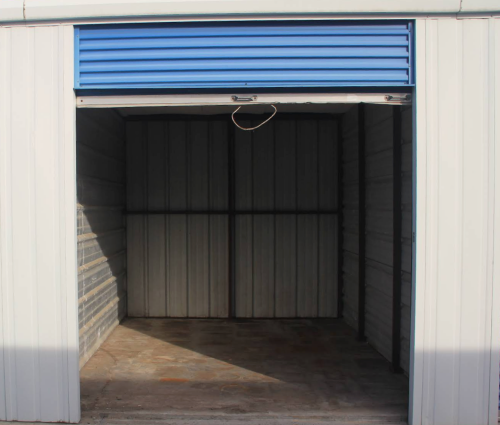
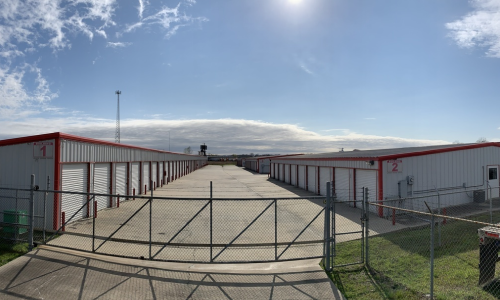
February 23, 2026
A 50-foot enclosed storage unit typically costs between $250 and $600 per month across the United States, with the national average hovering around $375 to $450 monthly. Pricing depends heavily on location, climate control, security features, and contract length. If you need covered, secure parking for a large RV, boat, or commercial vehicle, this size strikes the right balance between protection and affordability compared to full indoor garage-style facilities. This guide breaks down real pricing factors, regional comparisons, and insider strategies so you can lock in a fair rate without overpaying. What you will learn in this article: National and regional pricing ranges for 50-foot enclosed storage How enclosed units compare to uncovered and indoor options The factors that drive costs up or down How to find transparent, fairly priced facilities near you Discounts, contract strategies, and hidden fees to watch for What Is the Typical Monthly Cost for a 50-Foot Enclosed Storage Unit for an RV or Boat? For most markets in the United States, a 50-foot enclosed storage unit runs between $250 and $600 per month. That is a wide range, so let's break it down by what actually moves the needle. In rural and suburban areas across the Midwest and South, expect to pay on the lower end, roughly $250 to $350 monthly. In metropolitan corridors like Southern California, the Northeast, or South Florida, that same unit can reach $450 to $600 or more. The Self Storage Association tracks industry data that confirms location as the single largest pricing variable, often accounting for a 40% to 60% swing in monthly rates for the same unit size. Here is a snapshot of what 50-foot enclosed storage unit pricing looks like across different regions: Region Low End (Monthly) Average (Monthly) High End (Monthly) Midwest (TX, OK, KS) $225 $310 $400 Southeast (FL, GA, NC) $275 $375 $500 Southwest (AZ, NM, NV) $250 $350 $475 West Coast (CA, OR, WA) $350 $475 $650 Northeast (NY, NJ, CT) $325 $450 $600 Mountain West (CO, UT, MT) $250 $340 $450 These figures reflect 2024-2025 market conditions. Prices shift seasonally as well, with peak demand (and higher rates) typically occurring from April through September when RV and boat owners prepare for travel season. Good Boy Storage Tip: We believe in straightforward, transparent pricing with no surprise fees. Check our locations to see current rates for enclosed units near you. How Does a 50-Foot Enclosed Storage Unit Compare to Uncovered Parking for Large Vehicles? This is one of the most common questions we hear, and the answer comes down to what you are protecting and how long you plan to store. An uncovered parking spot for a 50-foot vehicle typically costs $75 to $175 per month. That is significantly cheaper upfront. But enclosed storage protects against UV damage, hail, wind-driven debris, bird droppings, tree sap, and theft, all of which can cost thousands in repairs or depreciation over time. Feature Uncovered Parking Enclosed Storage Full Indoor/Climate-Controlled Monthly Cost (Average) $75 - $175 $300 - $475 $500 - $800+ Weather Protection None Full roof and walls Full with temperature control UV/Sun Damage Prevention No Yes Yes Security Level Basic (fence, gate) Moderate to high High Theft Deterrence Low Moderate to high High Best For Short-term, mild climates Year-round storage High-value vehicles, harsh climates For a $150,000+ Class A motorhome or a $80,000 center console boat, the $200 to $300 monthly premium for enclosed storage is often a smart investment. The National Highway Traffic Safety Administration (NHTSA) has documented how environmental exposure contributes to vehicle deterioration, reinforcing the value of covered protection for long-term storage. What Factors Influence a 50-Foot Enclosed Storage Unit Cost? Several variables determine the final number on your monthly invoice. Understanding them puts you in a stronger negotiating position. Location and Local Real Estate Values Storage facilities price units based on the land cost beneath them. A facility 30 minutes outside a metro area might charge 25% to 40% less than one inside city limits for an identical unit. If you can store your RV or boat slightly farther from home, the savings add up quickly over a 12-month contract. Security Features Not all enclosed units are created equal. Basic enclosed storage includes a roof, walls, and a shared access gate. Premium facilities add individual unit alarms, 24/7 video surveillance, on-site management, and controlled electronic access. Each layer of security adds $25 to $75 to your monthly rate. Protecting your investment matters. Learn about our tenant protection plans to see how Good Boy Storage helps safeguard your vehicle. Climate Control A standard enclosed unit without climate control is the most common and affordable option. Adding climate control, which maintains temperature between 55 and 85 degrees Fahrenheit and regulates humidity, typically adds $75 to $150 per month for a 50-foot space. Climate control is worth considering if you are storing in regions with extreme heat (Arizona summers regularly exceed 110 degrees), extreme cold (Minnesota winters dropping below minus 20), or high humidity (Gulf Coast states). For vehicles with leather interiors, sensitive electronics, or wood finishes, climate regulation prevents cracking, mold, and corrosion. Unit Condition and Age of Facility Newer facilities with modern construction, LED lighting, paved surfaces, and well-maintained doors command higher prices. Older facilities in good condition can offer excellent value, especially if they have invested in updated security systems. Access Hours and Convenience Facilities offering 24/7 access generally charge more than those with limited hours. If you only need weekend access for occasional trips, a facility with standard business hours could save you $25 to $50 monthly. How Much More Does a 50-Foot Enclosed Unit Cost Versus a Smaller Enclosed Unit? Size pricing in storage is not perfectly linear. You do not pay exactly double when you go from a 25-foot unit to a 50-foot unit, but the jump is significant. Unit Size Average Monthly Cost (Enclosed) Cost Per Linear Foot 20 feet $150 - $250 $7.50 - $12.50 30 feet $200 - $325 $6.67 - $10.83 40 feet $250 - $400 $6.25 - $10.00 50 feet $300 - $475 $6.00 - $9.50 Notice the per-foot cost actually decreases as units get larger. A 50-foot unit is the most efficient option on a per-foot basis, which is why experienced RV and boat owners often choose the right-sized unit rather than trying to squeeze into something smaller. Where Can I Get Quotes for 50-Foot Enclosed Storage for Long-Term RV Storage? The best approach is to request quotes from three to five facilities within your target area. When comparing, make sure you are evaluating the same set of features: security level, access hours, insurance requirements, and contract terms. Start by visiting facility websites directly. Many have online quote tools, but calling or visiting gives you the most accurate picture, especially for larger units like 50-footers, which are sometimes priced individually rather than at published rates. Contact Good Boy Storage for a personalized quote on 50-foot enclosed units. We walk you through every cost so there are no surprises on move-in day. When comparing facilities, ask these questions: Is the quoted rate the total monthly cost, or are there additional fees? What security measures are included at that price? Is there a discount for annual or multi-month contracts? What insurance or tenant protection is required or available? Are there seasonal rate adjustments? Are There Discounts That Reduce a 50-Foot Enclosed Storage Unit Cost for Annual Contracts? Yes, and this is where savvy customers save real money. Most reputable storage facilities offer discounts for longer commitments. The typical structure looks like this: Contract Length Typical Discount Effective Monthly Savings Month-to-month No discount $0 3-month prepay 5% - 8% $15 - $38 6-month prepay 8% - 12% $24 - $57 12-month prepay 10% - 20% $30 - $95 On a $450 per month unit, a 15% annual discount saves you $810 over the year. That is meaningful money, especially for seasonal storage where you know you will need the space for the full off-season or longer. Some facilities also offer military discounts, first-responder rates, and referral credits. Always ask, because these are rarely advertised prominently. How Can I Estimate a Fair 50-Foot Enclosed Storage Unit Cost Based on Regional Price Averages? A practical method: take the average cost per linear foot for your region (from the table above) and multiply by 50. Then adjust up or down based on the specific features you need. Example calculation for a Southeast location: Regional average per linear foot: $7.50 Base estimate: 50 x $7.50 = $375/month Add climate control: +$100 Add premium security: +$50 Estimated total: $525/month If a facility is quoting significantly above this range without clear justification (newer facility, superior security, prime location), it is worth shopping around. If it is significantly below, investigate what might be missing in terms of security or maintenance. The U.S. Bureau of Labor Statistics Consumer Price Index data shows storage costs have increased approximately 3% to 5% annually in recent years, so pricing from even 12 months ago may no longer reflect current market rates. What Additional Fees Should I Expect on Top of the Base 50-Foot Enclosed Storage Unit Cost? This is where transparency matters most. Common additional fees include: Administrative or setup fees: $20 to $50, charged once at move-in. Some facilities waive this during promotional periods. Lock and access device fees: $10 to $30 for a facility-provided lock or electronic access fob. Insurance or tenant protection: $15 to $45 per month, depending on coverage level. Many facilities require a minimum level of protection. Good Boy Storage offers tenant protection plans designed specifically for vehicle storage. Late payment fees: Typically $20 to $50 if payment is received after a grace period, usually five to ten days past the due date. Rate increases: Some facilities include annual rate increase clauses of 3% to 8%. Read your contract carefully and ask about rate lock guarantees. Utility surcharges: For climate-controlled units, some facilities pass through energy costs as a separate line item during peak summer and winter months. A trustworthy facility discloses all fees upfront before you sign. If a facility cannot provide a clear, written breakdown of total costs, consider it a red flag. Where Can I Find a 50-Foot Enclosed Storage Unit with Good Security at a Reasonable Cost? The intersection of strong security and fair pricing exists, but it requires knowing what to look for. Security features worth paying for: Perimeter fencing with controlled gate access (keypad or electronic) Individual unit door alarms 24/7 HD video surveillance with recording Well-lit facility, including interior unit areas On-site or nearby management presence Paved, well-maintained driveways that accommodate large vehicles Security features that are nice but not essential: Biometric access (fingerprint scanners) Armed security patrols Redundant camera systems The Federal Trade Commission (FTC) recommends consumers verify security claims by visiting facilities in person before committing. Walk the property. Check that cameras are real, gates function properly, and lighting covers all areas, especially around larger units often located at the perimeter of a facility. Find a Good Boy Storage location near you and schedule a tour to see our security measures firsthand. Which Storage Facilities Offer Transparent Pricing for 50-Foot Enclosed Storage Units? Transparency in pricing is a hallmark of well-run storage operations. Here is what transparent pricing looks like in practice: Published rates on the facility website, updated regularly A written lease that itemizes every charge Clear disclosure of any potential rate increases and their triggers No hidden "administrative fees" that appear only at move-in Upfront explanation of insurance or protection requirements At Good Boy Storage, we build our customer relationships on trust and clarity. Learn more about who we are and how we operate to understand our approach to honest, customer-first storage solutions. Is a 50-Foot Enclosed Storage Unit Worth the Extra Cost? For owners of large RVs, boats, commercial trailers, and specialty vehicles, the answer is almost always yes, and here is why. The cost of not using enclosed storage: UV damage to exterior paint and decals: $2,000 to $8,000 to repair Hail damage: $1,500 to $5,000+ depending on severity Roof and seal deterioration from sun exposure: $1,000 to $3,000 Mold and mildew from moisture exposure: $500 to $2,500 to remediate Theft or vandalism of unsecured vehicles: varies widely, often $5,000+ When you weigh the annual cost of enclosed storage ($3,600 to $5,700 per year) against even one major weather or theft event, the math strongly favors protection. The National Oceanic and Atmospheric Administration (NOAA) reports that severe weather events, including hail storms and hurricanes, have increased in frequency and intensity over the past decade, making covered storage more relevant than ever for vehicle owners across the country. Why Are 50-Foot Enclosed Storage Units So Expensive? They are not cheap, but the pricing reflects real costs. Building an enclosed structure that accommodates a 50-foot vehicle requires significant investment: Land: A 50-foot enclosed unit with maneuvering space requires roughly 750 to 1,000 square feet of facility footprint Construction: Steel, concrete, roofing, and drainage for large-format enclosed units costs $35 to $60 per square foot to build Maintenance: Larger doors, taller clearances, and heavier-duty surfaces require ongoing upkeep Insurance: Facilities insure the structures themselves, and premiums scale with the value of the vehicles stored inside When you divide the facility's investment across the expected lifespan of the unit, the monthly rate reflects a reasonable return. You are paying for engineered protection, not just a parking spot with walls. Are 50-Foot Enclosed Storage Unit Prices Going Up? Yes. Storage pricing has trended upward nationally for several consecutive years, driven by: Rising commercial real estate values Increased construction and material costs Growing demand from the RV and boat markets (the Recreation Vehicle Industry Association (RVIA) reports consistent RV ownership growth) Higher insurance premiums for storage facility operators Increased expectations for security technology The annual rate of increase has been approximately 3% to 6% in most markets. Locking in a longer-term contract now can protect you from near-term increases. How Much Does Indoor RV Storage Cost Near Me? "Near me" pricing depends entirely on your local market, but you can use the regional table earlier in this article as a starting benchmark. For the most accurate local pricing: Search for enclosed RV storage facilities within a 30-mile radius of your home or marina Request quotes from at least three facilities Compare total costs, not just base rates Visit your top two choices in person Browse Good Boy Storage locations to check availability and pricing for 50-foot enclosed units in your area. Securing the Right 50-Foot Enclosed Storage Unit at the Right Price After years in the storage industry, we can tell you that the customers who get the best value follow a consistent pattern. They research regional pricing before contacting facilities. They ask detailed questions about total cost, not just the advertised rate. They visit in person to verify security and condition. And they commit to longer terms when the facility earns their trust, locking in better rates and avoiding annual increases. A 50-foot enclosed storage unit is a significant monthly expense, but it is fundamentally an insurance policy for an asset worth tens or hundreds of thousands of dollars. The right facility will protect your vehicle, respect your budget, and communicate openly about every dollar you spend. If you are ready to find the right enclosed storage for your RV, boat, or large vehicle, get in touch with Good Boy Storage today . We will give you a straight answer on pricing and help you choose the option that fits your needs and budget. Frequently Asked Questions How much does a 50-foot enclosed storage unit cost per month? The national average ranges from $300 to $475 per month, depending on location, security, and whether climate control is included. What is the average cost of a 50-foot enclosed storage unit? Most renters pay between $375 and $450 per month for a standard enclosed unit without climate control. Is a 50-foot enclosed storage unit expensive? Compared to uncovered parking it costs two to three times more, but it provides significantly better protection for high-value vehicles. Does climate control increase the price? Yes, adding climate control to a 50-foot enclosed unit typically adds $75 to $150 per month. Are there long-term discounts available? Most facilities offer 10% to 20% discounts for annual prepayment, and some offer smaller discounts for three- or six-month commitments. What factors affect 50-foot storage pricing? Location, climate control, security features, facility age, access hours, and contract length are the primary pricing factors. Is insurance required for enclosed storage? Most facilities require a minimum level of tenant protection or proof of existing insurance coverage before move-in. How much does a 50-foot enclosed storage unit cost per year? Annual costs typically range from $3,600 to $5,700 before any long-term discounts are applied. What is the average price for 50-foot RV storage? Enclosed RV storage for a 50-foot unit averages $350 to $475 monthly in most U.S. markets. How much should I expect to pay for a 50-foot enclosed unit? Budget $300 to $500 per month for most areas, with higher costs in major metro regions and lower costs in rural markets. Is enclosed storage worth the extra cost? For vehicles valued above $50,000, the annual storage cost is typically far less than a single weather or theft-related repair bill. What is a fair price for a 50-foot enclosed storage unit? A fair price falls within 10% of the regional average for comparable security and features, which you can estimate using our regional pricing table above.
5x5 Storage Unit: Pricing, Availability & What Fits
February 23, 2026
5x5 storage unit pricing starts as low as $25/month. Check availability, see what fits inside a 25 sq ft unit, and find affordable options near you.
February 23, 2026
Boat and RV Storage Pricing Guide for 2026 Boat and RV storage pricing in 2026 ranges from $50 per month for basic outdoor uncovered parking to $450 or more per month for climate-controlled indoor units. The biggest pricing factors are storage type (outdoor, covered, or indoor), vehicle length, geographic location, and security features. Covered outdoor storage at $100 to $200 per month represents the best value for most boat and RV owners. This guide breaks down every pricing variable so you can compare options accurately and avoid overpaying. Americans own roughly 11.2 million registered RVs, according to the RV Industry Association (RVIA) , and over 11.8 million recreational boats, per the U.S. Coast Guard's recreational boating statistics . That is nearly 23 million vehicles that need somewhere to go when they are not on the road or the water. The storage question is universal among boat and RV owners, but the pricing question is where confusion sets in. Rates vary wildly depending on where you live, what type of storage you choose, and how large your vehicle is. A 20-foot bass boat and a 40-foot Class A motorhome have very different storage needs and very different price tags. This guide eliminates the guesswork. Every major pricing factor, storage type, and cost-saving strategy is covered below with specific numbers and honest comparisons. What Is the Typical Monthly Pricing for Boat and RV Storage in My Area? Monthly boat and RV storage pricing depends primarily on three variables: the type of storage, the size of your vehicle, and your geographic market. Here is what the national landscape looks like heading into 2026. Boat and RV Storage Pricing by Storage Type Storage Type Monthly Price Range What You Get Outdoor uncovered $50 - $125 Fenced lot, security, paved or gravel surface Outdoor covered $100 - $200 Roof structure, reserved space, security Enclosed non-climate $150 - $300 Four walls, personal lock, full weather protection Enclosed climate-controlled $200 - $450+ Temperature/humidity regulation, premium security These ranges reflect national averages. Your actual cost will land higher or lower depending on your specific market, which we break down in detail below. The most common mistake boat and RV owners make is comparing prices without comparing storage types. A $75 outdoor lot and a $250 enclosed unit are not competitors. They are different products solving different problems at different price points. How Can I Compare Boat and RV Storage Pricing for Indoor Versus Outdoor Spaces? The indoor vs. outdoor pricing gap is the single largest cost variable in boat and RV storage. Understanding what drives that gap helps you decide whether the premium is worth it for your situation. Indoor vs. Outdoor: Cost Drivers Cost Factor Outdoor Storage Indoor Storage Construction cost Minimal (lot, fence, canopy) Significant (building, HVAC, doors) Per-square-foot overhead Low 3x to 5x higher Insurance for facility Lower Higher (more asset value under roof) Maintenance Pavement, fencing, lighting Building systems, climate equipment, doors Typical markup Baseline 50% to 200% above outdoor When indoor storage justifies the cost: Your boat or RV is valued above $75,000 You are storing for more than six months continuously Your region experiences extreme heat, cold, humidity, or frequent hail The vehicle has sensitive systems (teak decking, leather interiors, onboard electronics) Rodent activity is common in your area When outdoor storage is sufficient: Storage duration is under six months Your vehicle is primarily functional, not a collector or luxury asset Your climate is moderate with limited severe weather Budget is a primary constraint For most recreational boat and RV owners, covered outdoor storage delivers the best balance of protection and price. You block sun, rain, and hail without paying for a building. Browse Good Boy Storage locations to compare indoor and outdoor options in your area. What Factors Affect Boat and RV Storage Pricing Such as Size, Location, and Security Features? Storage pricing is not arbitrary. Every facility calculates rates based on measurable inputs. Here are the factors that move your monthly cost up or down. 1. Vehicle Length: The Primary Pricing Unit Most facilities price boat and RV storage by the linear foot rather than square footage. This makes vehicle length the single biggest determinant of your rate. Vehicle Length Outdoor Uncovered Outdoor Covered Enclosed Indoor Under 20 ft $50 - $80/mo $85 - $130/mo $120 - $200/mo 20 - 25 ft $70 - $100/mo $110 - $160/mo $150 - $250/mo 25 - 30 ft $85 - $125/mo $130 - $190/mo $180 - $300/mo 30 - 35 ft $100 - $150/mo $155 - $220/mo $220 - $350/mo 35 - 40 ft $120 - $175/mo $180 - $260/mo $260 - $400/mo 40+ ft $150 - $225/mo $210 - $300/mo $300 - $450+/mo Important: Measure your vehicle accurately before contacting facilities. Include the trailer tongue for boats, the hitch extension for towed RVs, and any roof-mounted accessories (AC units, antennas, kayak racks) that affect clearance height. Underestimating dimensions leads to booking a space that does not fit, which wastes time and may incur rebooking fees. 2. Geographic Location Storage pricing follows the same economic logic as real estate: land costs, local demand, and competition set the floor. Region Relative Pricing Key Drivers Northeast (NY, NJ, CT, MA) High Land scarcity, high demand, seasonal surge Southeast (FL, GA, SC, NC) Moderate to High Year-round boating demand, coastal premium Midwest (OH, IN, MI, WI) Low to Moderate Lower land costs, strong seasonal demand Southwest (TX, AZ, NM) Moderate Large RV market, heat-related demand West Coast (CA, OR, WA) High Land costs, regulation, coastal demand Mountain West (CO, UT, MT) Moderate Growing RV market, variable land costs The U.S. Bureau of Labor Statistics (BLS) tracks regional cost-of-living indices that correlate closely with storage pricing. Markets where housing costs are high almost always have elevated storage rates because the underlying land costs are the same. 3. Security Features Security infrastructure adds cost to operate a facility, and that cost is passed through to tenants. The more security layers a facility offers, the higher the rate tends to be. Basic security (perimeter fence plus gate) adds minimally to cost. Advanced security (24-hour video surveillance, individual alarms, on-site staff, app-controlled access) can add 10% to 25% to the base rate. For high-value boats and RVs, this premium is typically worthwhile. According to the FBI's property crime data , theft from outdoor storage lots remains a persistent issue, particularly for catalytic converters, outboard motors, batteries, and electronics. A facility with serious security infrastructure reduces this risk significantly. 4. Amenities and Added Services Some facilities offer services beyond basic storage that affect pricing: Dump stations for RV waste tank disposal Wash bays for cleaning before or after storage Battery charging outlets for trickle chargers during storage Pull-through spaces that eliminate the need to back in a long trailer On-site propane filling for RV owners These amenities may be included in the monthly rate or offered a la carte. Ask specifically what is and is not included. What Are Average Boat and RV Storage Pricing Ranges for Covered Versus Uncovered Parking? This is the comparison most searchers are trying to make, so here it is in direct terms. Vehicle Type & Length Uncovered Monthly Covered Monthly Price Difference 18 ft bass boat on trailer $55 - $80 $90 - $130 +$35 to $50 24 ft pontoon on trailer $75 - $105 $120 - $165 +$45 to $60 28 ft travel trailer $90 - $130 $140 - $200 +$50 to $70 32 ft Class C motorhome $110 - $155 $165 - $230 +$55 to $75 38 ft Class A motorhome $140 - $190 $200 - $280 +$60 to $90 22 ft center console boat $70 - $100 $115 - $155 +$45 to $55 The covered premium runs roughly 40% to 65% above uncovered rates. Whether that premium makes sense depends on your local weather exposure and the value of what you are protecting. In hail-prone states (Texas, Oklahoma, Kansas, Colorado, Nebraska), covered storage often pays for itself through avoided damage. The National Oceanic and Atmospheric Administration (NOAA) documents that hail causes over $10 billion in U.S. property damage annually, and vehicles stored outdoors without cover bear a disproportionate share. In mild, dry climates (parts of southern California, Nevada, Arizona), uncovered storage is more defensible from a cost-benefit perspective, though UV damage to fiberglass hulls, rubber seals, and exterior graphics still accumulates. Where Can I Find the Most Affordable Boat and RV Storage Pricing Without Sacrificing Security? Suburban and exurban facilities typically offer the best combination. They have lower land costs than urban or coastal locations (which reduces your rate) while still investing in professional security infrastructure. A facility 20 miles outside a major metro area may charge 25% to 40% less than a facility within the city limits for identical security features. Newer facilities often price competitively to build occupancy. A storage facility in its first two years of operation may offer introductory rates or promotional discounts to fill spaces. These are legitimate deals, not quality compromises. Avoid the two extremes. The cheapest option in any market (a neighbor's field with a chain-link fence) sacrifices security entirely. The most expensive option (a boutique climate-controlled facility with concierge service) may include features you do not need. The middle of the market is where value concentrates. Good Boy Storage was built around this principle: professional security, proper facilities, and fair pricing. Explore locations to see what is available near you. How Does Boat and RV Storage Pricing Differ for Short-Term Versus Long-Term Contracts? Contract length is one of your strongest negotiating levers. Facilities prefer predictable occupancy, and they price accordingly. Short-Term vs. Long-Term Rate Comparison Contract Length Typical Rate Structure Discount vs. Month-to-Month Month-to-month Full listed rate Baseline (0%) 3-month prepay Slight discount 5% - 8% 6-month prepay Moderate discount 8% - 12% 12-month prepay Best available rate 10% - 15% Seasonal (winter-only, 4-5 months) Package rate Varies, often 5% - 10% The math on a real example: A 30-foot travel trailer at a covered outdoor facility listed at $180 per month. Over 12 months, that is $2,160 at the month-to-month rate. A 12-month prepay at a 12% discount drops the total to $1,901, saving $259 per year. That is not insignificant. Short-term storage (under three months) is best suited for seasonal use: storing a boat over winter, parking an RV between summer trips, or holding a vehicle during a temporary relocation. Month-to-month rates give you flexibility, and the premium over long-term rates is the cost of that flexibility. Long-term storage works for extended travel, military deployment, estates in transition, or simply owning a recreational vehicle you only use twice a year. Which Facilities Publish Transparent Boat and RV Storage Pricing and Allow Online Quotes? Pricing transparency is a strong signal of facility quality. Operations that publish rates openly tend to be more professionally managed, more confident in their value proposition, and less likely to surprise you with hidden fees at move-in. Red flags in storage pricing: "Call for pricing" with no published ranges whatsoever Rates that exclude mandatory fees (admin fees, insurance requirements, gate deposits) Quotes that change between the phone call and the lease signing No written lease or unclear cancellation terms Green flags in storage pricing: Published monthly rates by storage type and size Clear disclosure of all fees (one-time and recurring) Online quote or reservation capability Written lease with defined terms, notice periods, and rate-lock provisions Good Boy Storage provides transparent pricing and straightforward lease terms. Reach out directly to get an accurate quote for your specific vehicle and storage needs. Where Can I Find Boat and RV Storage Pricing That Includes Added Services Like Wash Bays or Dump Stations? Added services are increasingly common at RV-focused storage facilities, and they can meaningfully affect the total value equation. Dump stations allow RV owners to empty waste tanks on-site rather than finding a separate dump facility. The U.S. National Park Service and many state parks maintain public dump stations, but having one at your storage facility saves a trip and often a fee ($10 to $25 per dump at public stations). Wash bays let you clean your boat or RV before placing it in storage, which is a critical preparation step for preventing mold, salt corrosion, and pest attraction. Battery charging stations or outlets allow you to connect a trickle charger during storage, preventing the dead-battery problem that plagues stored vehicles. Pull-through spaces eliminate the need to back a long trailer into a tight spot, which saves time, reduces stress, and minimizes the risk of damage during parking maneuvers. When evaluating a facility's total pricing, factor in whether these services are included or separately charged. A facility at $175 per month with an included dump station and wash bay may offer better total value than a facility at $150 per month where those services cost extra or require traveling off-site. What Boat and RV Storage Pricing Options Are Available for Seasonal or Winter-Only Storage? Seasonal storage is the most common use case for boat owners and a significant segment of the RV market, particularly in northern states where winter weather makes recreational use impractical from November through March. Seasonal pricing models include: Fixed seasonal rate: A flat fee for the season (typically 4 to 6 months), often priced at 5% to 10% below the equivalent monthly rate Monthly with seasonal discount: Standard monthly billing with a reduced rate during the off-season Bundle pricing: Seasonal storage combined with winterization services, spring commissioning, or both In the Midwest and Northeast, seasonal demand creates a predictable cycle. Facilities fill quickly in late fall as boats come off the water and RVs park for winter. By October, the best covered and indoor spaces may already be reserved. If you know you will need winter storage, booking in August or September often secures better availability and sometimes a better rate. The National Weather Service provides historical data on first freeze dates by region, which can help you time your storage start and end dates accurately. How Can I Negotiate Better Boat and RV Storage Pricing for Multiple Vehicles or Longer Commitments? Negotiation is underused in the storage industry. Most facilities have pricing flexibility, especially for tenants who represent reliable, long-term revenue. Strategies that work: Multi-vehicle discount: If you store both a boat and an RV (or a boat, RV, and a car), ask for a bundled rate. Many facilities offer 10% to 20% off the total when you store two or more vehicles. Prepayment discount: As detailed above, paying upfront for 6 or 12 months typically yields 8% to 15% savings. Off-peak booking: Facilities have slower leasing months (typically January through March in most markets). Moving in during these periods gives you more leverage. Referral credits: Some facilities offer one month free or a rate reduction for referring other boat or RV owners who sign leases. Price matching: If a competitor offers a lower rate for comparable storage, ask your preferred facility to match it. Many will, especially if you are committed to a longer term. Negotiation tip: Frame your ask around commitment, not complaint. "I would like to sign a 12-month lease for two vehicles. What is the best rate you can offer for that commitment?" works far better than "Your prices are too high." Are There Hidden Fees in Boat and RV Storage Contracts? "Hidden" is a strong word, but there are fees that some facilities disclose only in the fine print. Knowing what to look for prevents surprises. Common fees to ask about: Fee Type Typical Range How Common Administrative/setup fee $15 - $50 (one-time) Very common Lock purchase (if required) $10 - $25 Common at enclosed facilities Gate access device deposit $25 - $50 (refundable) Moderate Insurance requirement or tenant protection $10 - $30/month Very common Late payment fee $15 - $50 Universal Rate increase after promotional period 5% - 15% increase Common After-hours access fee $0 - $25/visit Uncommon but exists Returned payment fee $25 - $35 Universal The most impactful "hidden" cost is the rate increase after a promotional period. If a facility offers your first month at $99 but the standard rate is $175, that is not a $99 rate. That is a $175 rate with a one-month discount. Understand the standard rate before signing. Good Boy Storage's tenant protection plan offers transparent coverage at a known monthly cost, which replaces the uncertainty of personal insurance requirements at many facilities. Is Boat and RV Storage More Expensive in Certain States? Yes, and the differences are substantial. State Relative Cost Level Primary Driver California Very High Land costs, regulation, coastal demand New York Very High Land scarcity, high construction costs Florida High Year-round demand, coastal premium, hurricane prep Texas Moderate Large supply, competitive market, some urban premiums Michigan Low to Moderate Lower land costs, strong seasonal demand Arizona Moderate RV popularity, lower land costs offset by heat demand Ohio Low Abundant supply, lower land and operating costs Montana Low to Moderate Rural market, growing demand The U.S. Census Bureau tracks population density and migration patterns that directly influence storage demand. States experiencing rapid population growth (Texas, Florida, Arizona, Tennessee) tend to see storage pricing rise as demand outpaces new facility construction. Coastal markets carry an additional premium because proximity to water increases both boating density and land costs simultaneously. Does Boat Length or Vehicle Size Determine Storage Cost? Yes. Vehicle length is the primary pricing metric at most boat and RV storage facilities. Facilities measure your vehicle's total footprint: the full length from front bumper (or trailer hitch) to rear bumper (or outboard motor), and occasionally height for enclosed units with clearance limits. How per-foot pricing typically works: Most facilities price in length tiers (under 20 feet, 20 to 25 feet, 25 to 30 feet, etc.) rather than exact per-foot calculations. Moving up a tier can increase your monthly cost by $20 to $50 depending on the facility and storage type. Height matters too. RVs with rooftop AC units, satellite dishes, or storage pods may exceed the clearance of standard enclosed units (typically 12 to 14 feet). Boats on trailers with T-tops, towers, or radar arches may need taller-than-standard covered spaces. Always provide your full vehicle dimensions, including height, when requesting quotes. Are Utilities Included in Boat and RV Storage Pricing? For standard outdoor and covered storage, utilities are rarely a factor because there are no climate systems to power. Your rate covers the space, security, and facility maintenance. For enclosed indoor storage, particularly climate-controlled units, utility costs (electricity for HVAC, lighting, and ventilation) are built into the monthly rate. This is one reason climate-controlled storage costs 30% to 80% more than non-climate enclosed units. If you need an electrical outlet for a trickle charger or battery maintainer, ask whether outlet access is included in your rate or billed as an add-on. Some facilities include this at no extra charge. Others charge $10 to $30 per month for metered outlet use. Is Climate-Controlled Storage Worth the Cost for Boats and RVs? For most recreational boats and RVs stored under 12 months, climate control is not necessary if the vehicle is properly prepared for storage (winterized systems, stabilized fuel, covered vents, moisture absorbers). Climate-controlled storage becomes worth the cost when: The vehicle is valued above $100,000 (high-end motorhomes, luxury yachts) The interior contains genuine wood, leather, or sensitive electronics that humidity degrades Storage extends beyond 12 months without periodic access Your region experiences sustained humidity above 70% or temperature swings exceeding 50 degrees Fahrenheit across seasons The incremental cost of climate control over enclosed non-climate storage is typically $50 to $150 per month. For a $250,000 Class A diesel pusher, that is straightforward protection. For a $15,000 fishing boat, the math is harder to justify. Pay for What You Actually Need, Not What Sounds Best Boat and RV storage pricing follows a logical pattern once you understand the inputs. Vehicle length sets the base. Storage type multiplies it. Location and security features adjust it. Contract length and negotiation refine it. The most expensive option is not automatically the best option. A $400-per-month climate-controlled indoor unit is overkill for a fiberglass bass boat you use every other weekend from April through October. Likewise, a $60-per-month open lot is inadequate for a $200,000 motorhome sitting through eight months of Midwest winter. Match the storage to the vehicle, the duration, and the risk. Get accurate dimensions before you call. Ask about every fee before you sign. Negotiate on commitment length and multi-vehicle bundles. And choose a facility that invests in real security, not just a padlock on a chain-link gate. Good Boy Storage provides the full range of boat and RV storage options with transparent pricing, professional security, and the flexibility to match your specific needs. Find a location near you or contact the team directly to get an accurate quote today. Frequently Asked Questions How much does boat and RV storage cost per month? Monthly costs range from $50 for outdoor uncovered parking to $450 or more for climate-controlled indoor storage, depending on vehicle length, storage type, and location. What is the average price for RV storage? The national average for RV storage falls between $100 and $250 per month for covered or basic enclosed options, with significant variation by region and vehicle size. How much should I expect to pay for boat storage? Boat storage on a trailer typically costs $55 to $200 per month depending on boat length, with covered outdoor storage representing the most common price range. What is a fair price for boat and RV storage? A fair price aligns with your local market average for the storage type you need, and a facility that charges within the ranges in this guide while offering gated security is generally pricing fairly. Why is boat and RV storage so expensive? Boats and RVs require larger spaces than standard vehicles, which means more land per tenant, higher security infrastructure costs, and fewer units per facility footprint. Are boat and RV storage prices going up? Yes, storage rates have increased 3% to 8% annually in most markets since 2020, driven by rising land costs, construction expenses, and growing recreational vehicle ownership. Does the size of my RV affect the storage price? Yes, vehicle length is the primary pricing metric at most facilities, and moving up one size tier (typically 5-foot increments) increases monthly cost by $20 to $50. Does boat length determine storage cost? Yes, most facilities price boat storage by the total length of the boat and trailer combined, measured from the tongue to the farthest point of the outboard or stern. Do storage facilities charge by square footage or vehicle length? Most boat and RV storage facilities charge by vehicle length in tiered brackets, while standard self-storage units for enclosed spaces are sometimes priced by square footage. Is covered storage more expensive than outdoor parking? Yes, covered storage typically costs 40% to 65% more than uncovered outdoor parking due to the overhead roof structure, reserved spacing, and enhanced weather protection. Are there discounts for long-term boat and RV storage rentals? Most facilities offer 5% to 15% discounts for prepaying three, six, or twelve months, with additional savings often available for storing multiple vehicles. Is boat and RV storage more expensive in certain states? Yes, states with high land costs and strong recreational demand like California, New York, and Florida have significantly higher storage rates than Midwest and Mountain West markets.
February 23, 2026
Who Should Choose Covered Car Storage? Complete Guide Covered car parking storage is the smart middle ground between leaving your vehicle exposed in an open lot and paying premium rates for a fully enclosed indoor unit. If you need weather protection without the cost of a garage-style unit, if your vehicle is sensitive to UV and hail but does not require climate control, or if you want reserved, secure parking with overhead coverage, covered car storage is likely your best fit. This guide breaks down who benefits most, what it costs, how it compares to other options, and what to look for in a facility. Your car spends more time parked than driven. That is not an opinion. The American Automobile Association (AAA) and the U.S. Department of Transportation have both documented that the average American vehicle sits parked roughly 95% of its life. Where it sits during that time determines how fast it ages. Open-air parking lots offer convenience and low cost, but zero protection. Fully enclosed indoor storage offers maximum protection, but at a price point that does not always make sense for everyday vehicles. Covered car parking storage sits between those two extremes, and for a surprisingly large number of vehicle owners, it is exactly the right answer. What Is Covered Car Parking Storage? Covered car parking storage is a designated parking space with an overhead roof structure that shields your vehicle from direct sun, rain, hail, snow, and airborne debris. Unlike a fully enclosed garage-style unit, covered storage typically has open or partially open sides. Think of it as a permanent, heavy-duty carport at a professionally managed storage facility. What covered parking storage typically includes: A solid overhead roof (metal, concrete, or commercial-grade canopy) A designated, reserved parking space Facility-level security (fencing, gates, cameras) Paved or sealed surface Access to the broader facility's amenities (lighting, on-site management) What it typically does not include: Four enclosed walls A personal locking door Climate control Electrical outlets (though some facilities offer these as add-ons) This distinction matters because it directly affects cost, protection level, and who benefits most from choosing covered over other storage types. Where Can I Find Covered Car Parking Storage Near Me to Protect My Vehicle from Weather? Covered car storage is available at self-storage facilities, commercial parking operations, and some private lots across the country. Availability is highest in regions where weather extremes make open-air parking risky: the Sun Belt states where UV damage is relentless, the Central Plains where hail season runs from March through September, and the Gulf Coast where tropical storms and heavy rain are seasonal certainties. The National Weather Service tracks severe weather events by county, and the data tells a clear story. In 2023 alone, the U.S. recorded over 6,000 severe hail reports. If you live anywhere along Hail Alley (from Texas through Nebraska), covered storage is less of an upgrade and more of a baseline requirement. When searching for covered car parking storage near you, start with facilities that specialize in vehicle storage rather than general-purpose self-storage. Vehicle-focused facilities are more likely to have properly sized spaces, appropriate surface drainage, and security features designed for automotive storage. Good Boy Storage locations offer covered vehicle parking options built with these exact considerations in mind. Browse available facilities to find covered spaces near you. Which Facilities Offer Covered Car Parking Storage with Gated Access and Security Cameras? Security is the feature that separates professional covered car storage from renting a spot under someone's carport. A roof protects your paint. Security protects the entire vehicle. According to the FBI's Uniform Crime Reporting data , motor vehicle theft surpassed 1 million incidents in the U.S. in both 2022 and 2023. Vehicles stored in unmonitored locations, whether open lots, residential streets, or informal covered parking, are disproportionately targeted. When evaluating a covered storage facility's security, verify: Perimeter fencing with controlled gate entry (keypad, card, or mobile app) 24-hour video surveillance with footage retention On-site or monitored lighting that eliminates dark zones Limited access to authorized tenants only Whether cameras are actively monitored or passively recorded A facility with a roof but no gate is just a carport in a field. A facility with gated access, surveillance, and professional management is a security asset that happens to have a roof. Key Consideration: Ask whether the facility's security operates identically during off-hours. Some locations reduce monitoring overnight or on weekends, which is precisely when vehicle theft peaks. How Do I Rent Covered Car Parking Storage at a Secure Facility for a Long-Term Stay? Long-term covered car storage (anything beyond 90 days) requires a slightly different approach than month-to-month parking. Here is what to think through before signing a lease. Step 1: Determine your timeline. Storage facilities often structure pricing around commitment length. A six-month lease typically costs less per month than a rolling month-to-month agreement. If you know you need storage through a specific season or deployment period, locking in a term rate saves money. Step 2: Confirm the space fits your vehicle. Covered parking spaces are not all the same size. A compact car fits differently than a full-size truck, and a boat on a trailer needs significantly more length. Measure your vehicle (length, width, and height including any roof racks or antennas) before booking. Step 3: Ask about long-term rental discounts. Many facilities offer 5% to 15% discounts for prepaying three, six, or twelve months. Some also waive administrative fees for longer commitments. Step 4: Review the lease terms. Pay attention to notice periods for move-out, insurance requirements, and what happens if the facility changes ownership or closes a section for maintenance. Step 5: Prepare your vehicle for extended storage. Even under a roof, a vehicle sitting for months needs preparation: fuel stabilizer, proper tire inflation, battery maintenance, and pest deterrents. For long-term covered car storage with flexible lease options, contact Good Boy Storage to discuss terms tailored to your timeline. Where Can I Get Affordable Covered Car Parking Storage at an Outdoor Carport-Style Lot? Affordability is one of the primary reasons people choose covered storage over fully enclosed units. You get meaningful protection at a fraction of the indoor price. Covered Car Parking Storage: Cost Comparison Storage Type Typical Monthly Cost Protection Level Best For Open outdoor lot $30 - $80 Minimal (security only) Short-term, low-value vehicles Covered outdoor (carport-style) $75 - $150 Moderate (weather + security) Daily drivers, seasonal storage Enclosed non-climate unit $100 - $250 High (full enclosure + security) Long-term, higher-value vehicles Enclosed climate-controlled $150 - $400 Maximum (all protections) Classic cars, luxury, collectibles Covered carport-style storage hits the price-to-protection sweet spot for most vehicle owners. You are paying roughly 40% to 60% less than an enclosed unit while still blocking the two biggest environmental threats: direct UV exposure and precipitation. Prices vary by metro area. Expect higher rates in cities like Phoenix, Dallas, Houston, and Miami where demand for weather-protected parking runs high year-round. Suburban and rural facilities often price covered spaces 20% to 30% below urban equivalents. Which Properties Provide Covered Car Parking Storage with Reserved Spaces and 24-Hour Access? Reserved spaces mean your spot is yours. No arriving to find someone else parked in your spot, no jockeying for position, no uncertainty. Your vehicle stays in the same location every time, which also simplifies insurance documentation and facility management. 24-hour access means you can retrieve or check on your vehicle at any time. This matters for shift workers, travelers arriving on late flights, and anyone who does not want their schedule dictated by facility business hours. Not every covered storage facility offers both. Some restrict access to business hours or charge a premium for after-hours entry. Clarify this before signing. Good Boy Storage facilities are designed with vehicle owners' schedules in mind. Explore locations near you to confirm access hours and space availability. Where Can I Store My Convertible in Covered Car Parking Storage to Avoid Sun Damage? Convertibles are the textbook case for covered storage. Soft tops degrade faster than any other exterior component when exposed to prolonged UV radiation, and replacement costs range from $1,500 to $5,000 depending on the vehicle. UV damage to a convertible is not just cosmetic. Prolonged exposure weakens the fabric or vinyl, leading to leaks that damage the interior, electrical system, and carpet. Factor in the cost of interior restoration after water intrusion, and you are looking at repair bills that dwarf years of covered storage fees. Beyond convertibles, any vehicle with the following characteristics benefits significantly from overhead coverage: Single-stage or non-clearcoat paint (common on vehicles pre-2000): fades and chalks rapidly in direct sun Aftermarket wraps or graphics: UV breaks down adhesive bonds, causing peeling and discoloration Leather interiors without window tinting: cracking and fading accelerate in direct sunlight Classic or show vehicles: any paint imperfection from sun damage reduces appraised value If your vehicle's appearance directly affects its value, covered parking storage is not a convenience. It is asset preservation. Which Covered Car Parking Storage Locations Offer Monthly and Seasonal Rental Plans? Flexibility in rental terms is a meaningful differentiator between facilities. Monthly plans work best for vehicle owners who need short-term coverage: snowbirds storing a car for winter, families keeping a second vehicle while a member is deployed, or anyone in between housing situations. Seasonal plans typically run three to six months and offer a reduced per-month rate in exchange for a commitment. These are popular among: Motorcycle owners who store from November through March Boat owners who need off-water storage during winter Convertible and classic car enthusiasts who garage their vehicles during harsh weather months College students who leave vehicles at home during the academic year Year-round plans provide the lowest per-month rate and work for anyone who needs ongoing covered storage, whether due to limited home parking, HOA restrictions, or simply wanting professional-grade protection 365 days a year. Good Boy Storage offers flexible rental terms across its facility network. Whether you need one month or twelve, the team can structure a plan around your timeline. Where Can I Find Premium Covered Car Parking Storage with Lighting and On-Site Staff? Premium covered storage goes beyond a roof and a fence. It includes features that make the experience genuinely worry-free. Lighting seems basic, but it is one of the most overlooked security and convenience features. Well-lit covered parking areas deter criminal activity, help you inspect your vehicle during evening visits, and make nighttime access safer. Facilities that invest in LED perimeter and under-canopy lighting signal a higher level of operational standards. On-site staff provides a human layer of security and customer service. Staff can monitor access points, respond to alarms, accept deliveries (for business fleet storage), and address maintenance issues like drainage problems or structural damage to the covered structure after storms. Other premium features to look for: Dedicated pull-through spaces for vehicles with trailers On-site tire inflation stations Battery charging stations or outlet access Wash bays or detailing areas Package or mail acceptance for business users What Are the Best Options for Covered Car Parking Storage at a Storage Facility vs. Airport Parking? This comparison comes up frequently among travelers, and the answer depends on how long you will be gone. Factor Storage Facility Covered Parking Airport Covered Parking Daily cost $2.50 - $5.00 (monthly rate divided by 30) $15 - $35 per day Security Gated, surveilled, restricted access Shared lot, variable surveillance Convenience Requires transport to/from airport Walk to terminal Vehicle size flexibility Accommodates trucks, SUVs, trailers Standard parking spaces only Duration sweet spot 7+ days 1 - 5 days Break-even point Typically after 5 - 7 days Cheaper for short trips only For trips under five days, airport parking wins on convenience despite the higher daily rate. For anything longer, a covered storage facility saves significant money and provides better security. A two-week trip at airport covered parking can easily cost $350 to $500, while a month at a covered storage facility runs $75 to $150. The trade-off is transportation to and from the airport. Rideshare services, shuttle buses, or a friend's drop-off bridge that gap affordably. How Do I Choose Between Enclosed Garage Space and Open Covered Car Parking Storage? This is the core decision for most vehicle owners considering covered storage. The answer maps to three variables: vehicle value, storage duration, and climate. Decision Framework: Covered vs. Enclosed Factor Choose Covered Choose Enclosed Vehicle value Under $40,000 or daily driver Over $40,000 or collector/classic Storage duration Under 6 months Over 6 months Climate Mild to moderate, low humidity Extreme heat, cold, or humidity Primary threat Sun, rain, hail Theft, vandalism, all weather Budget Cost-conscious Protection-first Access frequency Weekly or more Monthly or less Covered storage makes the most sense when the primary threats are overhead (sun, rain, hail, snow) and the vehicle does not require full enclosure for security or climate reasons. It is the practical choice for daily drivers, seasonal vehicles, boats, and motorcycles in moderate climates. Enclosed storage makes the most sense when the vehicle's value justifies the premium, the storage period extends beyond six months, or the local environment poses threats that a roof alone cannot address (extreme humidity, temperature swings, high crime). If you are unsure which option fits your situation, the team at Good Boy Storage can help you evaluate based on your vehicle, location, and timeline. Is Covered Parking Better Than Outdoor Parking? In virtually every measurable category, yes. Paint protection: UV radiation is the leading cause of automotive paint oxidation and clear coat failure. The Environmental Protection Agency (EPA) documents that UV intensity in the southern U.S. regularly reaches "very high" to "extreme" levels during summer months. A roof blocks direct UV exposure entirely. Hail protection: The National Oceanic and Atmospheric Administration (NOAA) reports that hail causes over $10 billion in property damage annually in the United States, with vehicles accounting for a significant share. A solid overhead structure is the single most effective hail defense. Interior preservation: Vehicles parked in direct sun experience cabin temperatures exceeding 140 degrees Fahrenheit, according to studies cited by the National Weather Service . This heat degrades dashboards, cracks leather, warps plastic trim, and accelerates the breakdown of interior adhesives. Resale value: A vehicle stored under cover consistently presents better than one stored in the open, particularly in paint condition, interior quality, and rubber seal integrity. These are three of the first things any buyer or appraiser evaluates. The only scenario where open parking might be "better" is when the cost differential is the deciding factor and the vehicle is low-value with a short storage timeline. Even then, the protection gap is real. Does Covered Parking Protect from Hail Damage? Yes, and this is one of the strongest arguments for covered car parking storage in hail-prone regions. The average auto insurance claim for hail damage runs approximately $4,300, according to the Insurance Information Institute . In severe storms, costs can exceed $10,000 when the hood, roof, trunk, and all glass panels are affected. Many of these claims result in vehicles being totaled if the repair cost exceeds the vehicle's value. A covered parking structure absorbs hail impacts before they reach your vehicle. While no structure is rated for every possible hail scenario (baseball-sized hail can damage anything), standard commercial canopy and metal roof structures handle the vast majority of hail events without transmitting damage to vehicles below. For vehicle owners in Texas, Oklahoma, Kansas, Nebraska, Colorado, and the broader Central Plains, covered storage during hail season (March through September) is one of the most cost-effective forms of vehicle protection available. Is Covered Car Parking Storage Climate-Controlled? No. Standard covered parking storage provides overhead weather protection but does not regulate temperature or humidity. The open or semi-open sides allow ambient air to circulate freely, which means the covered space will be close to outdoor temperature, just without direct sun or rain exposure. This is a critical distinction. If your vehicle requires temperature and humidity regulation (classic cars with wood trim, vehicles with sensitive electronics, or cars in storage for 12+ months in high-humidity environments), you need a fully enclosed climate-controlled unit, not covered parking. For most vehicles stored under six months in moderate climates, covered parking provides sufficient protection without the added cost of climate control. Do I Need Insurance for Stored Cars? Yes, and this applies whether your vehicle is in covered parking, enclosed storage, or sitting in your own driveway. If you have an active loan or lease, your lender almost certainly requires continuous insurance coverage. Letting your policy lapse during storage can trigger forced-placed insurance at rates two to three times higher than your standard premium. Even if your vehicle is paid off, maintaining at least comprehensive coverage during storage protects against theft, vandalism, fire, weather events, and other non-collision losses. Comprehensive-only coverage (dropping liability and collision since the vehicle is not being driven) typically costs 40% to 60% less than a full policy. Good Boy Storage also offers tenant protection plans that provide an additional layer of coverage for your stored vehicle. This can work alongside or supplement your existing auto insurance. What Is the Difference Between Covered and Enclosed Storage? This is the most common comparison question, and the answer is straightforward. Feature Covered Storage Enclosed Storage Roof Yes Yes Walls Open or partial sides Four full walls Personal lock No (shared access area) Yes (individual unit) Climate control No Available at some facilities Weather protection Rain, sun, hail, snow from above Full protection from all directions Wind-driven rain/dust Partial exposure Fully protected Typical cost $75 - $150/month $100 - $400/month Best for Daily drivers, seasonal vehicles, boats High-value, classic, long-term storage The simplest way to think about it: covered storage protects from the sky. Enclosed storage protects from everything. Are There Long-Term Rental Discounts for Covered Car Storage? Most professionally managed facilities offer tiered pricing that rewards longer commitments. The typical discount structure looks like this: Month-to-month: Full listed rate 3-month prepay: 5% to 8% discount 6-month prepay: 8% to 12% discount 12-month prepay: 10% to 15% discount Some facilities also offer first-month-free promotions, waived admin fees for annual commitments, or referral credits. These are worth asking about during your initial inquiry. The key question to ask: "What is the best rate you can offer for [X] months of covered parking storage?" Facility managers often have discretion to apply unpublished discounts, especially during slower leasing periods (typically late fall and winter in most markets). Contact Good Boy Storage to ask about current rates and long-term discount availability at your nearest location. Expert Viewpoint: Covered Storage Is the Practical Choice Most Vehicle Owners Overlook The storage conversation tends to polarize into two camps: people who think any parking spot will do, and people who assume they need a fully enclosed, climate-controlled vault. Most vehicles fall between those extremes, and covered car parking storage exists precisely for that majority. If your vehicle is worth protecting but does not require museum-grade preservation, covered storage delivers the protection that actually matters (UV, rain, hail, snow) at a price that reflects common sense rather than anxiety. It is the option that balances real-world risk against real-world budget. The decision framework is simple. Ask yourself three questions: What is my vehicle worth? How long will it be stored? What is my local weather like? If the answers point to moderate value, moderate duration, and any climate with sun or storms, covered car parking storage is almost certainly the right call. Prepare your vehicle properly, choose a facility with legitimate security and reserved spaces, keep your insurance current, and do not pay for features you do not need. That is the expert approach. Ready to protect your vehicle? Find a Good Boy Storage location near you or reach out to the team to get started. Frequently Asked Questions What is covered car parking storage? Covered car parking storage is a reserved parking space with an overhead roof structure that protects vehicles from sun, rain, hail, and snow at a professionally managed facility. What does covered parking storage include? It typically includes a solid overhead roof, a designated space, paved surfaces, and facility-level security such as gated access, lighting, and surveillance cameras. Is covered car parking the same as a garage? No, covered parking has a roof but open or partially open sides, while a garage is a fully enclosed unit with walls and a personal locking door. How does covered car storage differ from a carport? A facility carport operates within a professionally managed, secured property with access control and surveillance, while a residential carport offers only a roof with no security infrastructure. How much does covered car parking storage cost per month? Covered car parking storage typically costs between $75 and $150 per month depending on location, space size, and facility amenities. Is covered car parking storage more expensive than uncovered? Yes, covered parking typically costs $25 to $75 more per month than open uncovered parking due to the overhead structure and weather protection it provides. Is covered car storage cheaper than indoor storage? Yes, covered parking generally costs 30% to 50% less than a fully enclosed indoor storage unit because it does not include walls, a personal lock, or climate control. Does covered parking protect from hail damage? Yes, a solid overhead roof structure blocks hail from directly striking your vehicle, which is the single most effective defense against hail-related body and glass damage. Is covered parking climate-controlled? No, standard covered parking storage does not regulate temperature or humidity because the space has open or semi-open sides that allow ambient air circulation. Is covered car parking storage worth the extra cost? For vehicles stored more than 30 days in regions with significant sun, rain, or hail exposure, covered storage typically costs far less than a single weather-related repair or insurance deductible. Are there discounts for long-term covered parking storage? Most facilities offer 5% to 15% discounts for prepaying three, six, or twelve months of covered parking storage. Do I need insurance for a car in covered storage? Yes, maintaining at least comprehensive-only auto insurance coverage is strongly recommended, and most lenders require continuous coverage on financed or leased vehicles regardless of storage status.
Vehicle Storage Unit vs Parking: When Do You Need One?
February 23, 2026
Vehicle storage units offer protection that parking lots can't. Find out when upgrading from open parking to a dedicated storage unit makes sense.
February 23, 2026
Boat and RV Storage: The Complete Guide to Finding Secure, Affordable Storage for Your Vehicles Boat and RV storage costs between $50 and $450+ per month depending on whether you choose outdoor, covered, or indoor climate-controlled options. The right facility should offer gated entry, video monitoring, flexible contract terms, and spaces sized for your specific vehicle. This guide walks you through every storage type, cost factor, security consideration, and seasonal preparation step so you can confidently protect your investment year-round. This guide draws on over a decade of experience in the self-storage industry, direct knowledge of facility operations across the United States, and current market data from storage operators nationwide. Every recommendation reflects what actually matters when storing high-value recreational vehicles and watercraft, not generic advice recycled from outdated sources. Where Can I Find Boat and RV Storage With Secure Gated Entry and Video Monitoring? Security is the single biggest concern for boat and RV owners choosing a storage facility, and rightfully so. The average recreational vehicle costs between $35,000 and $300,000, while boats range from a few thousand dollars to well into six figures. Leaving that kind of investment in a facility without proper security is a risk most owners cannot afford to take. The best boat and RV storage facilities feature multiple layers of protection. At minimum, you should look for electronic gated entry that requires a unique access code for each tenant, 24/7 HD video surveillance covering all entry points and storage areas, perimeter fencing with adequate lighting, and on-site management or regular security patrols. Some premium facilities also offer individual unit alarms and license plate recognition technology at the gate. When evaluating a facility, ask to see the camera system in action. A facility that confidently shows you its security infrastructure is one that takes protection seriously. If the response is vague or dismissive, keep looking. At Good Boy Storage, security is built into every location from the ground up. Our facilities feature gated access, video monitoring, and well-lit premises designed to give you genuine peace of mind. Explore our locations to find a secure facility near you. Indoor vs. Outdoor Boat and RV Storage: Which Option Is Actually Better? This is one of the most common decisions storage shoppers face, and the answer depends on three things: your budget, your climate, and how long you plan to store your vehicle. Understanding Your Storage Options at a Glance Storage Type Monthly Cost Range Best For Protection Level Uncovered outdoor $50 – $100 Short-term, mild climates, budget-conscious owners Basic (security only) Covered outdoor $100 – $175 Sun and hail protection without premium cost Moderate (overhead cover) Enclosed (non-climate) $150 – $275 Year-round protection from all elements High (full enclosure) Climate-controlled indoor $200 – $450+ Luxury RVs, classic boats, extreme climates Maximum (temp and humidity regulated) Outdoor storage is the most affordable option and works well in regions with mild weather and low humidity. If you live in the Sun Belt and plan to use your RV or boat frequently throughout the year, outdoor parking with a quality cover may be all you need. Covered boat and RV storage adds overhead protection, which is a meaningful upgrade in areas prone to hail, intense UV exposure, or heavy tree debris. Covered parking significantly reduces paint fading, rubber seal degradation, and roof damage from prolonged sun exposure. Enclosed boat and RV storage provides full protection from weather, pests, and road debris. If you are storing your vehicle for an entire season or longer, enclosed storage pays for itself by preventing the kind of damage that leads to expensive repairs. Climate-controlled boat and RV storage is the premium tier. Temperature and humidity regulation protects against mold, mildew, cracked dashboards, warped wood interiors, and electronics damage. For owners of high-end motorhomes, vintage boats, or vehicles with sensitive electronics and leather interiors, this level of protection is worth the investment. Key Insight: The National Oceanic and Atmospheric Administration (NOAA) reports that extreme weather events are increasing in frequency across the U.S. If your region has experienced severe storms, flooding, or temperature swings, upgrading from outdoor to covered or enclosed storage is a practical decision, not a luxury. How Much Does Boat and RV Storage Cost? Cost is the question that drives most storage searches, and the honest answer is that it varies significantly based on location, storage type, and vehicle size. National Cost Averages by Storage Type Factor Outdoor Covered Enclosed Climate-Controlled Small boat/trailer (under 20 ft) $50 – $80/mo $90 – $140/mo $125 – $200/mo $175 – $300/mo Mid-size RV/boat (20–30 ft) $75 – $125/mo $125 – $185/mo $175 – $275/mo $225 – $400/mo Large motorhome/boat (30+ ft) $100 – $175/mo $160 – $225/mo $225 – $350/mo $300 – $450+/mo Several variables push costs higher or lower. Urban areas with limited land tend to charge 20–40% more than rural or suburban locations. Facilities near marinas or popular waterways often command a premium for boat storage specifically. And seasonal demand matters: securing storage in September or October before winter hits will almost always get you a better rate than scrambling in November. Do Boat and RV Storage Facilities Charge by Length or Square Footage? Most facilities price by linear foot or by predefined space size rather than strict square footage. A 10x30 outdoor parking space is a common standard for mid-size RVs, while larger motorhomes may need 10x40 or 12x40 spaces. Boats on trailers are typically measured by overall length including the trailer tongue and motor. Always measure your vehicle before contacting a facility. Knowing your exact length, height, and width prevents surprises and helps you get an accurate quote on the first call. Are There Discounts for Long-Term RV Storage Contracts? Yes, and they are worth asking about. Many facilities offer 5–15% discounts for tenants who commit to six-month or annual contracts. Some also provide the first month free or reduced rates during off-peak seasons. If you know you will need storage for a full season or longer, a long-term commitment typically saves more than month-to-month flexibility costs. Contact Good Boy Storage to ask about current pricing and available discounts at a location near you. Which Boat and RV Storage Facilities Near Me Offer Both Short-Term and Long-Term Contracts? Flexibility in contract terms matters more than most people realize when they first start shopping for storage. Life changes. You might plan to store your boat for six months and end up selling it in three. Or you might need RV storage for a two-week window between camping trips. The best facilities offer both short-term and long-term options without penalizing you for choosing one over the other. Month-to-month agreements give you maximum flexibility, while longer commitments typically reward you with lower rates. When comparing facilities, ask these specific questions: Is there a minimum rental period? What is the notice period for move-out? Are there early termination fees on long-term contracts? Can I switch between storage types (outdoor to indoor, for example) mid-contract? Facilities that answer these questions transparently are the ones worth doing business with. What Are the Best Boat and RV Storage Options With Covered Parking to Protect From Sun and Hail? Sun and hail are two of the most destructive forces for vehicles stored outdoors, and most owners underestimate the cumulative damage until it is too late. Prolonged UV exposure degrades rubber seals around windows and doors, fades exterior paint and decals, dries out and cracks caulking on RV roofs, and damages tires. Hail can dent metal panels, crack fiberglass, shatter skylights, and destroy awnings in a single storm. Covered boat and RV storage eliminates the overhead exposure that causes the majority of this damage. A quality covered space features a metal or reinforced canopy at sufficient height to accommodate tall vehicles, adequate drainage to prevent water pooling, and enough width to allow easy vehicle access without scraping against support columns. Important: A single hail event can cause $5,000 to $25,000 in damage to an unprotected RV or boat. Covered storage at $100–$175 per month is effectively an insurance policy that pays for itself after one avoided storm. If your region is in what weather experts call "Hail Alley," stretching from Texas through the northern Plains, covered or enclosed storage is not optional. It is essential. The National Weather Service provides historical severe weather data by region that can help you assess your local risk. Where Can I Store My Boat and RV Together at the Same Facility to Save Money? Storing multiple vehicles at the same facility is a smart financial move. Many storage operators offer multi-vehicle discounts ranging from 5–10% off total monthly costs when you rent two or more spaces. Beyond the cost savings, managing one account at one location simplifies billing, access, and logistics. When looking for a facility that accommodates both boats and RVs, prioritize locations with a range of space sizes. Your 35-foot motorhome and your 22-foot bass boat on a trailer have very different space requirements, and a good facility can accommodate both without forcing you into spaces that are too large or too tight. Browse Good Boy Storage locations to find a facility with space for all your recreational vehicles in one convenient spot. Where Can I Rent a Large Boat and RV Storage Space With Easy Highway Access? Convenience is an underrated factor in storage satisfaction. If your facility is 45 minutes from home down winding back roads, you will dread every trip to pick up or drop off your vehicle. Worse, navigating a large motorhome or boat trailer through tight residential streets or low-clearance underpasses is stressful and risky. The ideal facility sits near a major highway or interstate interchange with wide, well-maintained access roads. Look for locations that offer: Pull-through spaces so you never have to back a 40-foot RV into a tight spot Wide drive aisles designed for large vehicles Ground-level access without steep grades Paved surfaces that prevent mud, gravel damage, and tire sinking Which Boat and RV Storage Companies Provide Online Booking and Automatic Payments? Modern storage facilities have moved well beyond the clipboard-and-padlock era. The best operators now offer full digital experiences: online reservations, digital lease signing, autopay enrollment, mobile app access to gate codes, and online account management for payments and correspondence. This matters for practical reasons. If you are comparing facilities on a Saturday night before a holiday weekend, the one that lets you reserve and pay online is the one that gets your business. Autopay also eliminates the risk of late fees and ensures uninterrupted access to your vehicle. Which Boat and RV Storage Locations Offer Extra-Wide Spaces for Large Motorhomes and Trailers? If you own a Class A motorhome, a fifth-wheel trailer, or a large cabin cruiser, standard parking spaces simply will not work. You need a facility that specifically caters to oversized vehicles. Common Space Sizes for Large Vehicle Storage Vehicle Type Recommended Space Size Notes Class A motorhome (30–45 ft) 12x40 or 12x45 Extra width for slide-outs Fifth-wheel trailer (35–42 ft) 12x45 Height clearance critical for enclosed Large boat on trailer (25–35 ft) 12x35 or 12x40 Account for motor and trailer tongue Toy hauler (28–40 ft) 12x40 Rear ramp space needed Always ask about height clearance for enclosed and indoor storage. Class A motorhomes with rooftop AC units and satellite dishes can exceed 13 feet, and many enclosed facilities have door heights of only 12 feet. Confirm before you commit. What Boat and RV Storage Facilities Provide Winter Storage and De-Winterizing Access? Seasonal storage is a major segment of the boat and RV storage market, particularly in northern states where freezing temperatures make winter use impractical or impossible. How Do I Prepare My Vehicle for Storage? Proper winterization is critical to preventing costly damage during the off-season. For RVs, this means: Draining and bypassing the water heater Blowing out all water lines with compressed air Adding non-toxic antifreeze to drain traps Disconnecting and removing batteries (store in a temperature-stable location) Covering tires or using tire covers to prevent UV and flat-spot damage Cleaning the interior thoroughly to prevent mold and pest attraction Closing all vents and sealing potential pest entry points For boats, winterization includes: Flushing the engine with fresh water (especially for saltwater boats) Fogging the engine cylinders Draining all water systems Adding fuel stabilizer to a full tank Removing electronics and valuables Covering with a fitted, breathable cover Pro Tip: The U.S. Coast Guard recommends annual inspection and maintenance of all safety equipment on recreational boats, including fire extinguishers and flares. Winter storage is the ideal time to complete this checklist. Some facilities offer de-winterizing services or provide on-site access for mobile technicians. This is a valuable perk if you prefer professional service over DIY preparation. Ask about electrical outlets for battery tenders, water access for spring wash-down, and whether the facility allows third-party service providers on site. Where Can I Find Premium Boat and RV Storage With Paved Lots and Strong Lighting? The difference between a budget lot and a premium facility often comes down to the details that affect your daily experience: paved surfaces, proper lighting, clean facilities, and professional management. Paved lots matter for several reasons. Gravel and dirt surfaces kick up rocks that chip paint and damage undercarriages. Mud after rain makes maneuvering difficult and can literally trap heavy vehicles. And dust from unpaved surfaces settles on stored vehicles, requiring constant cleaning. Strong, consistent lighting across the entire property serves dual purposes: safety and security. Well-lit facilities deter theft and vandalism while making early morning or late evening visits safe and practical. Premium facilities also tend to offer higher-quality customer service, maintained restrooms, dump stations for RVs, and on-site air for tires. These amenities may seem minor until the day you need them. Learn more about what sets Good Boy Storage apart and our commitment to providing a premium storage experience. How Do I Find Boat and RV Storage With On-Site Management and Strict Security Measures? On-site management is a meaningful differentiator. A facility with staff present during business hours (and sometimes beyond) provides faster response to issues, better maintenance of the property, and a human point of contact when something goes wrong. Strict security goes beyond cameras and gates. The most secure facilities incorporate: Access logs that track every entry and exit Individual unit alarms Perimeter motion sensors Regular security audits Partnerships with local law enforcement for rapid response When visiting a potential facility, pay attention to the condition of the property. Overgrown landscaping, burned-out lights, broken fencing, and trash accumulation are signs that management is not attentive. Security systems only work when they are maintained. Is the Facility Secure and Monitored? This should be one of your first questions, and the answer should be specific, not vague. "Yes, we have cameras" is not the same as "We operate 32 HD cameras with 30-day footage retention, electronic gated access with individual codes, and nightly security patrols." Demand specifics. Do I Need Climate-Controlled Storage for My Boat or RV? Climate-controlled storage is not necessary for every vehicle, but it is the right choice in specific circumstances. You likely need climate control if: You own a motorhome or yacht with leather, wood, or high-end interior finishes Your region experiences extreme temperature swings (below 20°F or above 100°F regularly) You are storing for more than six months at a time Your vehicle contains sensitive electronics, musical instruments, or artwork You have experienced mold or mildew issues in previous storage You can likely skip climate control if: You are storing short-term in a moderate climate Your vehicle has minimal interior finishes You plan to use the vehicle regularly throughout the storage period The cost difference between enclosed and climate-controlled storage is typically $50–$150 per month. For a $200,000 motorhome with a custom interior, that premium is insignificant relative to the protection it provides. What Size Space Do I Need for My RV or Boat? Choosing the right space size avoids two problems: paying for space you do not use, and cramming your vehicle into a space that risks door dings, mirror damage, or access headaches. Quick Sizing Guide Vehicle Typical Length Recommended Space Pop-up camper 10–16 ft 10x20 Travel trailer 18–25 ft 10x25 or 10x30 Class C motorhome 22–32 ft 10x30 or 12x35 Class A motorhome 30–45 ft 12x40 or 12x45 Bass/ski boat on trailer 18–22 ft 10x25 Cabin cruiser on trailer 22–30 ft 12x30 or 12x35 Pontoon on trailer 20–26 ft 12x30 Add at least 2–3 feet beyond your vehicle's total length (including hitch, motor, and trailer tongue) for comfortable access. For width, account for slide-outs on RVs and mirror extensions. Are There 24/7 Access Hours? Access hours vary widely between facilities. Some offer true 24/7 access, while others restrict entry to specific hours, typically 6:00 AM to 10:00 PM. If you are an early riser who wants to hit the lake at dawn or a traveler who returns from road trips late at night, unrestricted access is non-negotiable. Confirm access hours before signing a lease, and ask whether there are any seasonal changes to the schedule. Some facilities offer extended or 24/7 access as a premium add-on for a small monthly fee. This can be a worthwhile upgrade for frequent users. What Amenities Are Included? The baseline amenities you should expect from any reputable boat and RV storage facility include gated access, surveillance cameras, adequate lighting, and paved or well-maintained surfaces. Beyond that, amenities that add real value include: Electrical outlets for battery maintenance Water access for washing Dump stations for RV tanks Air stations for tires Pull-through spaces On-site supplies (locks, covers, cleaning products) Wi-Fi or mobile app for account management Not every facility offers every amenity, and that is fine. The key is matching the amenities to your actual usage patterns. If you never wash your vehicle on site, you do not need to pay a premium for water access. Are There Size Restrictions? Most facilities have maximum vehicle dimensions, particularly for height (relevant for enclosed and indoor storage) and weight (relevant for facilities with structural load limits). Some facilities also restrict vehicle types, excluding commercial vehicles, vehicles without current registration, or vehicles in non-operational condition. Always disclose your vehicle's exact dimensions and condition upfront. Showing up on move-in day with a vehicle that does not fit is a problem nobody wants to deal with. Protecting Your Investment: Why Tenant Protection Plans Matter Even in the best storage facility, unexpected events happen. A freak storm, a burst pipe, or a pest intrusion can cause damage that your standard auto or homeowners insurance may not fully cover while your vehicle is in storage. Tenant protection plans fill this gap. They are typically affordable, ranging from $10 to $30 per month depending on coverage level, and they provide peace of mind that your vehicle is financially protected against covered events. Learn about Good Boy Storage's tenant protection options to ensure your boat or RV is covered from day one. Why Is Boat Storage So Expensive? Boat storage, especially near marinas or coastal areas, tends to cost more than RV storage for several reasons: Waterfront property commands higher land costs, which get passed to tenants Boats often require specialized storage conditions including hull support and moisture management Demand near popular boating areas consistently outstrips supply Marina-adjacent facilities offer convenience that commands a premium If you are looking to reduce boat storage costs, consider facilities slightly farther from the water. A 15-minute drive to the boat ramp can save you 20–30% on monthly storage compared to a marina-adjacent location. Does Boat Storage Cost More Near the Water? Almost always, yes. Proximity to launch points is the single biggest cost driver for boat storage. The tradeoff is convenience versus savings, and the right choice depends on how frequently you use your boat. How Much Should I Budget for Annual Boat Storage? For annual budgeting, multiply your expected monthly cost by 12 and add 10–15% for incidentals: winterization supplies, cover replacement, battery maintenance, and any facility fees. A reasonable annual budget for mid-size vehicle storage: Outdoor: $900 – $1,500 Covered: $1,200 – $2,100 Enclosed: $1,800 – $3,300 Climate-controlled: $2,400 – $5,400+ These ranges represent national averages. Your actual costs will depend on your specific market, vehicle size, and the facility you choose. Is Covered RV Storage Worth the Extra Money? For most RV owners, covered storage represents the best value in the market. It costs significantly less than indoor or climate-controlled options while eliminating the primary threats that outdoor storage exposes your vehicle to: UV radiation, hail, heavy rain, snow accumulation, and tree debris. If you are currently paying for outdoor storage and spending money on roof repairs, seal replacements, or paint restoration, upgrading to covered storage will likely cost less than those ongoing repairs. Making the Right Boat and RV Storage Decision Choosing the right storage facility is not just a cost decision. It is a protection decision. Your boat or RV is likely one of the most significant recreational investments you will make, and the storage environment you choose directly impacts its longevity, appearance, and resale value. Start by assessing your actual needs: how long you will store, what climate risks exist in your area, how often you need access, and what your vehicle is worth. Then match those needs to a facility that provides the right level of protection, security, and convenience without overpaying for features you will not use. The owners who protect their vehicles best are the ones who treat storage as part of the ownership cost, not an afterthought. Budget for it, choose wisely, and your boat or RV will be ready to perform whenever you are ready to use it. Ready to find the right space for your boat or RV? Contact Good Boy Storage today or browse our locations to see available spaces near you. Frequently Asked Questions How much does boat and RV storage cost per month? Boat and RV storage ranges from $50 per month for basic outdoor parking to $450 or more per month for climate-controlled indoor storage, depending on vehicle size and location. How much does indoor RV storage cost vs. outdoor? Indoor RV storage typically costs two to three times more than outdoor, with indoor averaging $150–$350 per month compared to $50–$125 for outdoor. What is the average price of winter boat storage? Winter boat storage averages $100–$250 per month for covered or enclosed options in northern states, not including winterization service costs. Is covered RV storage worth the extra money? Yes, covered storage prevents UV, hail, and weather damage that often costs more to repair annually than the price difference between covered and outdoor storage. Why is boat storage so expensive? High land costs near waterways, specialized storage requirements, and strong seasonal demand drive boat storage prices above typical vehicle storage rates. How much should I budget for annual boat storage? Budget $900–$5,400 annually depending on storage type, with mid-range covered or enclosed options averaging $1,500–$3,000 per year for a mid-size boat. Do boat and RV storage facilities charge by length or square footage? Most facilities charge by linear foot or by predefined space dimensions such as 10x30 or 12x40 rather than strict square footage. Are there discounts for long-term RV storage contracts? Many facilities offer 5–15% discounts for six-month or annual commitments, and some provide a free first month for long-term tenants. Does boat storage cost more near the water? Yes, marina-adjacent and waterfront storage facilities typically charge 20–30% more than comparable facilities located further inland. What size space do I need for my RV or boat? Measure your vehicle's total length including hitch and motor, then add 2–3 feet for comfortable clearance when selecting your storage space size. Is indoor or outdoor storage better for my vehicle? Indoor storage provides superior protection and is better for long-term storage or high-value vehicles, while outdoor works well for short-term, budget-conscious storage in mild climates. How do I prepare my vehicle for storage? Winterize water systems, stabilize fuel, disconnect batteries, clean the interior thoroughly, cover tires, and seal all potential pest entry points before storing.
February 23, 2026
RV And Boat Storage Requirements By Size And Length Storing an RV or boat is not just about finding an empty parking spot. The size and length of your vehicle dictate every meaningful decision you will make, from the type of facility you need to the monthly cost you will pay and the level of protection your investment actually receives. A 20-foot bass boat and a 40-foot Class A motorhome live in completely different storage universes, and treating them the same is a fast path to damage, wasted money, or both. This guide breaks down RV and boat storage requirements by exact vehicle dimensions, compares indoor and outdoor options with real cost ranges, and walks you through the security, climate, and access considerations that matter most. Whether you are parking a pop-up camper for the winter or storing a center-console offshore boat year-round, the right storage decision starts with understanding what your vehicle actually needs. Where Can I Find Secure RV And Boat Storage Near Me With 24/7 Access? The first question most owners ask is also the most practical one. Finding secure RV and boat storage with round-the-clock access means looking beyond generic self-storage facilities and focusing on properties purpose-built for oversized vehicles. Not every storage facility can accommodate the turning radius of a 35-foot fifth wheel or the height clearance of a boat on a dual-axle trailer. Facilities that specialize in RV and boat storage typically offer wider driveways (a minimum of 30 feet for comfortable maneuvering), taller entry gates, and individual access codes so you can retrieve your vehicle at 2 a.m. before a Saturday morning launch. When evaluating facilities in your area, verify three things before signing a contract: gate access hours (true 24/7 vs. "extended hours"), the type of security system in place (cameras alone are not the same as cameras plus on-site management), and whether the facility can physically fit your vehicle without requiring a 15-point turn to get in and out. Explore Good Boy Storage locations near you to find facilities designed specifically for oversized vehicle storage with gated entry and surveillance. Understanding RV And Boat Size Classifications Before comparing storage options, you need to know exactly what you are storing. The storage industry uses general size brackets, but the specifics of your vehicle, including height with rooftop accessories, total trailer length with the tongue, and weight, are what actually determine your storage requirements. RV Size Classifications And Storage Space Needed RV Type Typical Length Typical Height Recommended Space Size Average Monthly Cost Range Pop-Up / Folding Camper 8 to 15 ft 4 to 5 ft (collapsed) 10 x 20 ft $50 to $100 Teardrop / Small Trailer 10 to 18 ft 6 to 7 ft 10 x 20 ft $60 to $120 Travel Trailer (Mid-Size) 18 to 27 ft 9 to 11 ft 12 x 30 ft $100 to $200 Fifth Wheel 22 to 40 ft 12 to 13.5 ft 12 x 45 ft $150 to $300 Class C Motorhome 20 to 33 ft 10 to 12 ft 12 x 35 ft $125 to $275 Class A Motorhome 26 to 45 ft 12 to 13.5 ft 15 x 50 ft $175 to $450 Toy Hauler 20 to 40 ft 10 to 13 ft 12 x 45 ft $150 to $350 Boat Size Classifications And Storage Space Needed Boat Type Typical Length (with trailer) Typical Height (on trailer) Recommended Space Size Average Monthly Cost Range Jon Boat / Small Fishing 12 to 16 ft 5 to 6 ft 10 x 20 ft $50 to $100 Bass Boat 16 to 22 ft 5 to 7 ft 10 x 25 ft $75 to $150 Bowrider / Ski Boat 18 to 26 ft 7 to 9 ft 12 x 30 ft $100 to $200 Pontoon 18 to 28 ft 8 to 10 ft 12 x 35 ft $100 to $225 Center Console (Offshore) 20 to 35 ft 8 to 12 ft 12 x 40 ft $125 to $300 Cabin Cruiser 25 to 40 ft 10 to 14 ft 15 x 45 ft $175 to $400 Sailboat (on trailer) 20 to 30 ft 12 to 18 ft (mast up) 15 x 40 ft $150 to $350 Key Measurement Tip: Always measure your vehicle with all accessories attached. Roof-mounted AC units, satellite dishes, T-tops, outboard motors in the tilted-up position, and trailer tongues all add to your total dimensions. Many storage headaches come from owners quoting the manufacturer's base length rather than their actual road-ready footprint. What Is The Best RV And Boat Storage Facility With Surveillance And Gated Access In My Area? The word "best" depends entirely on what your vehicle needs, but the non-negotiable baseline for any quality facility includes perimeter fencing, electronic gate access with individual codes, and surveillance cameras with recording capability. Anything less is a compromise. Beyond that baseline, the best RV and boat storage facilities differentiate themselves with features like well-lit lots (LED lighting across the entire property, not just near the office), on-site or nearby management during business hours, alarmed individual units for indoor storage, and license plate recognition at entry points. A facility's track record matters as much as its feature list. Ask how long the facility has been operating, whether they carry commercial property insurance, and what their protocol is if a break-in or weather event occurs. Reputable operators will answer these questions directly. Good Boy Storage facilities are built with RV and boat owners in mind, featuring gated access, surveillance systems, and wide lanes for easy maneuvering. Learn more about our approach . Indoor vs. Outdoor RV And Boat Storage: Which Option Fits Your Vehicle? This is the decision that generates the most debate among owners, and the right answer depends on your vehicle type, your climate, how long you are storing, and your budget. Indoor Boat Storage Facilities And Enclosed RV Bays Indoor storage means your vehicle sits inside a fully enclosed structure, protected from sun, rain, hail, snow, and wind-blown debris. For boats, indoor storage virtually eliminates UV degradation of gel coat and upholstery. For RVs, it prevents the roof membrane damage and sealant breakdown that lead to the most expensive repair bills in the industry. Indoor storage is particularly valuable for: Fiberglass boats where gel coat preservation directly affects resale value RVs with slide-outs that create additional seam vulnerability when extended during storage Vehicles stored for more than six months at a time Regions with extreme weather, including hail corridors across Texas, Oklahoma, and Colorado, or heavy snow zones in the upper Midwest and Northeast The trade-off is cost. Indoor RV and boat storage typically runs 40% to 100% more than uncovered outdoor parking, and availability is limited because enclosed structures cost significantly more to build. Outdoor RV Storage And Uncovered Boat Parking Outdoor storage is the most common and affordable option. For vehicles that are used frequently and stored between trips rather than seasonally, outdoor parking with a quality cover can be perfectly adequate. Outdoor storage works well when: You access your vehicle regularly (weekly or biweekly) Your vehicle is relatively new with intact seals and protective coatings You invest in a high-quality fitted cover designed for your specific vehicle The facility offers well-graded, paved or compacted surfaces that prevent tire damage and mud issues Covered RV Storage: The Middle Ground Covered storage, sometimes called canopy or carport-style storage, provides overhead protection without full enclosure. It blocks direct sun exposure and rainfall while costing 20% to 50% less than fully enclosed options. For many owners, covered storage hits the practical sweet spot between protection and price. Storage Type Comparison At A Glance Feature Outdoor (Uncovered) Covered (Canopy) Indoor (Enclosed) UV Protection None Overhead only Full Rain / Hail Protection None Partial (top only) Full Dust / Debris Protection None Minimal Full Temperature Control None None Available at some facilities Typical Cost (per month, mid-size vehicle) $75 to $175 $125 to $250 $175 to $400+ Availability High Moderate Limited Best For Frequent-use vehicles, budget storage Balanced protection, moderate budgets Long-term storage, high-value vehicles Which RV And Boat Storage Options Offer Both Indoor And Outdoor Spaces For Large Vehicles? Facilities that offer both indoor and outdoor options give you flexibility as your needs change. You might park outdoors during boating season when you are pulling your boat every weekend, then move it inside for the five or six months of winter storage. This hybrid approach is more cost-effective than paying for year-round indoor storage, and it ensures your vehicle gets the most protection when it is most vulnerable, during extended idle periods when small leaks and pest intrusions go unnoticed for weeks. When evaluating a facility for large vehicles specifically, pay attention to the interior clearance heights of their enclosed units. Many indoor storage buildings were originally designed for standard self-storage or commercial use and top out at 12 feet. If you are storing a Class A motorhome with rooftop AC or a sailboat with the mast stepped, you may need facilities with 14-foot or higher clearance. Check Good Boy Storage locations for facilities offering both indoor and outdoor RV and boat storage options. Where Can I Store My RV And Boat Long Term With Power Hookups And Maintenance Access? Long-term storage, anything beyond 90 days, introduces requirements that short-term parking does not. Power hookups are the most requested amenity for long-term RV storage because they allow you to maintain battery charge, run dehumidifiers inside the coach, and periodically power up refrigerators and other appliances to keep seals from drying out. For boats, electrical access is less critical but still valuable for running battery maintainers, bilge pumps, and trickle chargers on trolling motor batteries. Beyond electrical, long-term storage facilities should offer: On-site water access or dump stations for RVs Adequate aisle width for periodic maintenance visits without moving other vehicles Pest control measures (rodent bait stations around the perimeter, sealed buildings for indoor units) Smooth, hard surfaces that prevent flat-spotting on tires over months of sitting The National Highway Traffic Safety Administration (NHTSA) recommends checking tire condition and inflation before returning any stored vehicle to the road, a reminder that the storage surface itself plays a role in tire preservation. What RV And Boat Storage Facilities Provide Covered Parking To Protect Against Weather Damage? Covered parking is the fastest-growing segment of the RV and boat storage market, and for good reason. The Insurance Information Institute has consistently identified hail and wind as leading causes of vehicle damage claims, and covered structures address both threats at a fraction of the cost of full indoor storage. When evaluating covered parking, look beyond just the roof. The best covered RV storage facilities include: Metal roof structures rated for local wind loads (check that the facility meets International Building Code (IBC) standards for your region) Sufficient column spacing to avoid door-ding risk from adjacent vehicles Minimum 14-foot clearance for tall RVs and boats on trailers Proper drainage grading so water does not pool under the canopy The gap between "covered" and "truly protective" is wider than most people assume. A canopy with 10-foot clearance and narrow spacing may technically be covered storage, but it creates more problems than it solves for a full-size fifth wheel. Where Can I Find Affordable RV And Boat Storage With Wide Driveways For Easy Maneuvering? Affordability in RV and boat storage is relative to your market, but there are consistent strategies for keeping costs down without sacrificing the essentials. Outdoor storage at facilities slightly outside urban cores typically costs 25% to 40% less than comparable options in metro areas. The key trade-off is drive time. If you only access your vehicle a few times per season, an extra 15 to 20 minutes of driving can save $50 to $100 per month. Wide driveways are not a luxury feature for RV and boat storage. They are a functional necessity. Backing a 35-foot trailer into a space requires at least 40 feet of aisle width for a comfortable approach, and 50 feet or more for less experienced drivers. Facilities that skimp on driveway width to fit more units into the same footprint create an environment where vehicle damage from tight turns becomes almost inevitable. Cost-Saving Strategy: Ask about long-term rental discounts. Many facilities offer 5% to 15% off monthly rates for 6-month or 12-month commitments. Prepaying annually can also unlock additional savings, sometimes up to 20% compared to month-to-month pricing. How Do I Choose An RV And Boat Storage Facility With Strong Security And Flexible Contracts? Choosing the right facility comes down to matching your vehicle's needs with a facility's actual capabilities, not its marketing claims. Here is a practical evaluation framework: Security Checklist Ask these questions during your facility visit: Is the perimeter fully fenced with commercial-grade fencing (not residential chain link)? Are surveillance cameras positioned to cover all storage areas, not just the entrance? Does the gate system use individual access codes that log entry and exit times? Is the property well-lit after dark, including back rows and corners? Are there on-site staff or a responsive management team during business hours? What is the facility's protocol for reporting and responding to security incidents? Contract Flexibility Month-to-month contracts offer the most flexibility, but they come at premium pricing. If you know your storage timeline, a fixed-term contract with a reasonable early termination clause (typically one month's rent as a fee) gives you better rates without trapping you. Read the fine print on insurance requirements. Some facilities require you to carry your own vehicle insurance or purchase their tenant protection plan. Others include basic coverage in the rental rate. Understanding this before you sign prevents surprises. Good Boy Storage offers tenant protection options that provide peace of mind without requiring you to navigate complex third-party insurance policies. Which RV And Boat Storage Services Offer Month-To-Month Rentals And Online Reservations? The storage industry has modernized significantly, and most reputable facilities now offer online reservations, digital contracts, and month-to-month rental options. This is particularly important for RV and boat owners because storage needs are often seasonal and unpredictable. Month-to-month rentals let you scale your storage commitment to your actual usage. Store your boat from October through April, then cancel for the summer. Park your RV during the school year, then hit the road for summer vacations. This flexibility is worth the slight premium over long-term contracts for owners whose schedules vary year to year. Online reservations also let you compare unit sizes, check real-time availability, and lock in pricing before driving across town to tour a facility. If a storage provider does not offer online booking in 2026, that is a signal about how they approach the rest of their operations. What Should I Look For In RV And Boat Storage If I Need High Clearance And Oversized Spaces? High clearance and oversized space requirements eliminate a significant percentage of storage facilities from consideration. Here is exactly what to look for: For tall vehicles (Class A motorhomes, sailboats on trailers, fifth wheels with satellite dishes): Minimum 14-foot gate clearance at the facility entrance Minimum 14-foot interior clearance for indoor or covered storage No overhead obstructions like power lines, tree branches, or low-hanging signage along the drive path For long vehicles (40-foot+ motorhomes, large boat-and-trailer combinations): Individual spaces at least 15 feet wide and 50 to 55 feet deep Pull-through spaces (if available) that eliminate the need for backing in Aisle widths of 50 feet or more for safe maneuvering For heavy vehicles: Paved or reinforced surfaces that can handle axle weights exceeding 10,000 pounds without rutting Level parking surfaces that prevent suspension stress during extended storage Always visit the facility with your vehicle before committing to a lease. Measurements on a website do not account for the approach angles, turning clearances, and surface conditions you will deal with in practice. Which Local RV And Boat Storage Facilities Offer Climate-Controlled Units Or Enclosed Bays? Is Climate-Controlled Storage Necessary? Climate-controlled storage maintains a consistent temperature range (typically 55 to 80 degrees Fahrenheit) and manages humidity levels inside the storage unit. For most RVs and boats, standard enclosed storage provides adequate protection. However, climate control becomes a serious consideration in specific circumstances: Climate control is worth the investment when: You are storing a vehicle with leather interiors, wood cabinetry, or sensitive electronics Your storage location experiences temperature swings exceeding 60 degrees between seasons (common in the northern Plains, upper Midwest, and mountain West) Humidity regularly exceeds 60%, creating conditions for mold growth on upholstery, canvas, and wood You are storing a classic or collectible vehicle where preservation is the primary goal Climate control is typically unnecessary when: Your vehicle has standard vinyl or synthetic interiors You are storing in a moderate climate with mild seasonal variation Your storage period is less than three months You properly winterize your vehicle before storage (draining water systems, treating fuel, removing perishables) Climate-controlled RV and boat storage typically costs 30% to 50% more than standard enclosed storage and is available at a limited number of facilities. If your vehicle qualifies for one of the scenarios above, the premium is justified by the preservation value. How Much Does RV And Boat Storage Cost? Storage costs vary by region, facility type, and vehicle size, but the national averages give you a useful baseline for budgeting. National Average Monthly Storage Costs By Type And Vehicle Size Vehicle Category Outdoor (Uncovered) Covered (Canopy) Indoor (Enclosed) Climate-Controlled Small (under 20 ft) $50 to $100 $85 to $150 $125 to $225 $175 to $300 Medium (20 to 30 ft) $100 to $200 $150 to $275 $200 to $350 $275 to $450 Large (30 to 40 ft) $150 to $300 $225 to $375 $300 to $475 $400 to $600 Extra Large (40 ft+) $200 to $450 $300 to $500 $400 to $650+ $500 to $800+ These ranges reflect national averages as of early 2026. Markets like South Florida, the San Francisco Bay Area, and the greater Phoenix metro area tend to run 20% to 40% above national averages due to land costs and demand density. Rural and suburban markets in the Southeast and Midwest often fall at or below the lower end of these ranges. What Is The Average Cost Of RV Storage Per Square Foot? On a per-square-foot basis, outdoor RV storage runs approximately $0.25 to $0.75 per square foot per month. Indoor storage ranges from $0.75 to $1.50 per square foot per month. Climate-controlled units can reach $1.50 to $2.50 per square foot per month in high-demand markets. These per-square-foot figures are useful for comparing facilities that price their units differently (some charge by linear foot, others by total square footage, and others by flat rate per space size). How Do I Prepare My RV Or Boat For Storage? Proper preparation before storage is the single most impactful thing you can do to protect your vehicle, more important than the type of storage you choose. A well-prepared RV in outdoor storage will fare better than a neglected RV sitting indoors. RV Storage Preparation Checklist Fluid systems: Drain and winterize all water lines, water heater, and holding tanks. Use RV-specific non-toxic antifreeze in all drain traps. Fuel system: Fill the fuel tank to 90% to 95% capacity and add a fuel stabilizer. Run the engine or generator long enough to circulate treated fuel through the entire system. Electrical: Disconnect the house batteries or connect them to a quality battery maintainer. A fully discharged battery left for months will likely need replacement. Tires: Inflate to the maximum sidewall pressure. Place on tire covers or blocks if storing outdoors to prevent UV damage and flat-spotting. Interior: Remove all food, clean thoroughly, and leave cabinet doors and the refrigerator door open. Place moisture absorbers in enclosed spaces. Consider rodent deterrents at entry points. Exterior: Wash and wax. Inspect and reseal all roof seams, window frames, and exterior penetrations. A $15 tube of lap sealant now prevents a $3,000 water damage repair later. Boat Storage Preparation Checklist Engine: Flush with fresh water (especially after saltwater use). Fog the engine with fogging oil. Change engine oil and filter. Fuel system: Fill the tank and add marine fuel stabilizer. Run the engine to distribute. Water systems: Drain the bilge completely. Remove the drain plug. Open all through-hull fittings to drain. Electrical: Disconnect batteries or use a marine battery maintainer. Remove portable electronics. Canvas and upholstery: Clean all surfaces. Leave compartments open for ventilation if stored indoors. Install a dehumidifier rod or moisture absorbers in enclosed spaces. Trailer: Grease wheel bearings. Check tire pressure and condition. Block the trailer frame (not the axle) to take weight off the tires and springs. The U.S. Coast Guard's boating safety division provides additional seasonal maintenance and storage guidance for recreational boat owners. Do I Need Insurance For Stored Vehicles? The short answer is yes, and there are layers to understand. Your existing vehicle insurance policy may or may not cover damage that occurs while the vehicle is in storage. Many auto and boat policies include provisions for "storage" status at reduced premiums, but you need to confirm this with your carrier. Separately, most storage facilities require proof of insurance or participation in their own tenant protection program. This is not optional at professional facilities, and you should be skeptical of any operation that does not require it. Good Boy Storage offers tenant protection plans that provide coverage for stored vehicles, giving you a straightforward option if your personal policy does not extend to storage situations. Important: Storage facility insurance or protection plans typically cover damage from specific named perils (fire, theft, vandalism, certain weather events). They do not cover mechanical failure, pre-existing damage, or damage caused by improper storage preparation. Read the terms carefully. What Amenities Are Included At RV And Boat Storage Facilities? Amenities vary widely between facilities, and understanding what is included in your rental rate versus what costs extra prevents billing surprises. Common Included Amenities Gated access with individual codes Surveillance camera coverage Perimeter fencing and lighting Paved or graded driving surfaces On-site dumpsters for pre-storage cleanout Common Add-On Or Premium Amenities Electrical hookups for battery maintenance ($15 to $50/month extra) Water access or dump stations ($10 to $30/month extra or per-use fee) Wash bays for pre-storage cleaning ($10 to $25 per use) Air compressor stations for tire inflation (often free at better facilities) Vehicle concierge services (moving your vehicle for you) ($25 to $75 per move) On-site propane filling When comparing facilities, make a list of the amenities you will actually use. Paying $25 more per month for a facility with a wash bay and air station may be more cost-effective than driving to separate service locations before each storage visit. Are There Restrictions On Vehicle Size At Storage Facilities? Yes, and they are more common than most owners expect. Restrictions fall into several categories: Height restrictions: Gate structures, covered canopies, and building entrances all impose maximum heights. The most common limit is 14 feet, which excludes some Class A motorhomes with rooftop accessories and sailboats stored mast-up. Length restrictions: Individual space allocations cap the maximum vehicle length. A facility advertising "RV storage" may only accommodate units up to 30 feet, which leaves larger Class A and fifth-wheel owners without options. Weight restrictions: Less common but relevant for heavy rigs. Some facilities with unimproved surfaces (gravel or dirt) restrict vehicles above certain axle weights to prevent surface damage. Vehicle type restrictions: Some facilities prohibit commercial vehicles, vehicles without current registration, or vehicles in non-running condition. Others restrict boats with fuel remaining in their tanks due to fire codes. Always confirm restrictions in writing before signing a lease. Verbal assurances from a leasing agent are not binding if the facility's written policies say otherwise. Should I Store My RV With Slides In Or Out? Store your RV with the slides retracted (in). Keeping slides extended during storage stresses the slide mechanism, expands the seal perimeter exposed to weather and pests, and takes up additional space that may encroach on adjacent units. The seals around extended slides are also more likely to collect moisture, leading to mold growth between the slide room and the main wall. The one exception is if your storage facility specifically recommends extending slides to improve interior ventilation in a climate-controlled indoor environment, but this is uncommon and facility-specific. Do I Need To Disconnect My RV Battery For Storage? If you do not have access to a battery maintainer (trickle charger), yes, disconnect the batteries. A connected battery in a stored RV will slowly discharge through parasitic draws from the LP gas detector, clock, and other always-on circuits. A fully discharged lead-acid battery left in that state for weeks suffers sulfation damage that permanently reduces capacity. If you have electrical hookups at your storage site, connecting a quality three-stage battery maintainer is the better option. It keeps the batteries at full charge without the risk of overcharging and eliminates the need to reconnect and recondition batteries when you return. How Do You Winterize A Boat For Storage? Winterizing a boat involves protecting the engine, water systems, and interior from freeze damage and corrosion during the off-season. The process varies by engine type (outboard, inboard, sterndrive) but the core steps include flushing the cooling system with fresh water, draining all water from the engine block and manifolds, fogging the cylinders with corrosion-inhibiting oil, stabilizing the fuel system, and removing the battery for indoor charging. For detailed engine-specific winterization procedures, consult your owner's manual or the American Boat and Yacht Council (ABYC) standards, which set the technical benchmarks for marine maintenance practices in the United States. Making The Right Storage Decision For Your RV Or Boat The storage decision that protects your vehicle and your budget starts with accurate measurements and honest assessment of your needs. Oversized vehicles require facilities designed for them, not retrofitted general-purpose storage lots. Indoor storage is worth the premium for high-value vehicles and long-term seasonal storage, while quality outdoor storage with proper vehicle preparation serves frequent-use owners well at lower cost. Prioritize security fundamentals (gated access, surveillance, lighting, and individual access codes) over flashy amenities you will rarely use. Verify that the facility can physically accommodate your vehicle by visiting with your rig before signing anything. And invest 2 to 3 hours in proper storage preparation before each storage period, because the condition of your vehicle when it goes into storage determines its condition when it comes out. If you are searching for RV and boat storage that matches your vehicle's size requirements, contact Good Boy Storage to discuss available options at a location near you. Frequently Asked Questions How much does it cost to store an RV per month? Monthly RV storage costs range from $50 for small-vehicle outdoor parking to $650 or more for large-vehicle indoor storage, depending on your region and facility type. How much does indoor boat storage cost? Indoor boat storage typically costs $125 to $475 per month for most recreational boats, with pricing based on vessel length and local market rates. Is it cheaper to store a boat indoors or outdoors? Outdoor boat storage costs 40% to 60% less than indoor storage, making it the more affordable option for owners who invest in quality fitted covers. What size storage unit do I need for my RV? Measure your RV's total length (including tongue or hitch), height (including rooftop accessories), and width (including mirrors), then select a unit at least 3 to 5 feet longer and wider than those measurements. Is the facility secure and gated? Reputable RV and boat storage facilities feature perimeter fencing, electronic gate access with individual codes, surveillance cameras, and adequate lighting across the entire property. Does storage include 24/7 access? Many facilities offer 24/7 access through electronic gate systems, but some restrict hours to specific windows, so confirm access terms before signing your lease. Are there long-term rental discounts? Most storage facilities offer 5% to 20% discounts for 6-month or 12-month commitments, with additional savings often available for annual prepayment. How close is the storage facility to my home or marina? Choose a facility within a 30-minute drive for vehicles you access frequently, and consider more distant but affordable options for seasonal storage where access is less frequent. How do I prepare my RV for long-term storage? Winterize all water systems, stabilize fuel, maintain tire pressure, disconnect or maintain batteries, clean the interior thoroughly, and inspect all exterior seals before storing. Do I need to disconnect my RV battery for storage? Disconnect the battery if you lack electrical hookups at your storage site, or use a three-stage battery maintainer if power is available to prevent discharge and sulfation damage.