Boat and RV Storage: The Complete Guide to Finding Secure, Affordable Storage for Your Vehicles
Boat and RV storage costs between $50 and $450+ per month depending on whether you choose outdoor, covered, or indoor climate-controlled options. The right facility should offer gated entry, video monitoring, flexible contract terms, and spaces sized for your specific vehicle. This guide walks you through every storage type, cost factor, security consideration, and seasonal preparation step so you can confidently protect your investment year-round.
Where Can I Find Boat and RV Storage With Secure Gated Entry and Video Monitoring?
Security is the single biggest concern for boat and RV owners choosing a storage facility, and rightfully so. The average recreational vehicle costs between $35,000 and $300,000, while boats range from a few thousand dollars to well into six figures. Leaving that kind of investment in a facility without proper security is a risk most owners cannot afford to take.
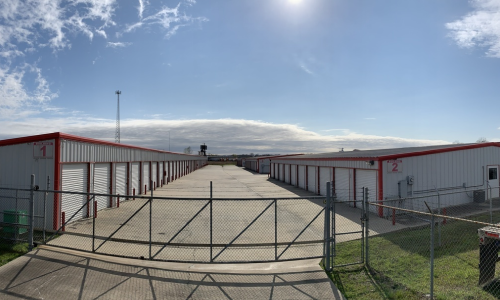
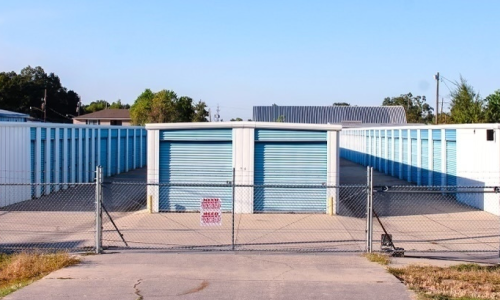
The best boat and RV storage facilities feature multiple layers of protection. At minimum, you should look for electronic gated entry that requires a unique access code for each tenant, 24/7 HD video surveillance covering all entry points and storage areas, perimeter fencing with adequate lighting, and on-site management or regular security patrols. Some premium facilities also offer individual unit alarms and license plate recognition technology at the gate.
When evaluating a facility, ask to see the camera system in action. A facility that confidently shows you its security infrastructure is one that takes protection seriously. If the response is vague or dismissive, keep looking.
At Good Boy Storage, security is built into every location from the ground up. Our facilities feature gated access, video monitoring, and well-lit premises designed to give you genuine peace of mind. Explore our locations to find a secure facility near you.
Indoor vs. Outdoor Boat and RV Storage: Which Option Is Actually Better?
This is one of the most common decisions storage shoppers face, and the answer depends on three things: your budget, your climate, and how long you plan to store your vehicle.
Understanding Your Storage Options at a Glance
| Storage Type | Monthly Cost Range | Best For | Protection Level |
|---|---|---|---|
| Uncovered outdoor | $50 – $100 | Short-term, mild climates, budget-conscious owners | Basic (security only) |
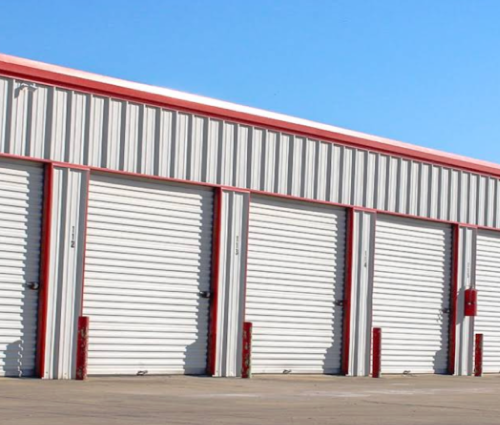
| Covered outdoor | $100 – $175 | Sun and hail protection without premium cost | Moderate (overhead cover) |
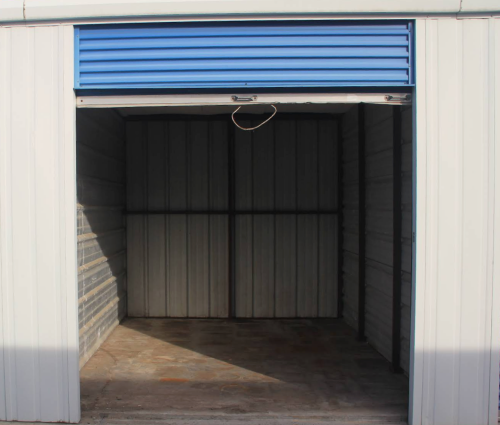
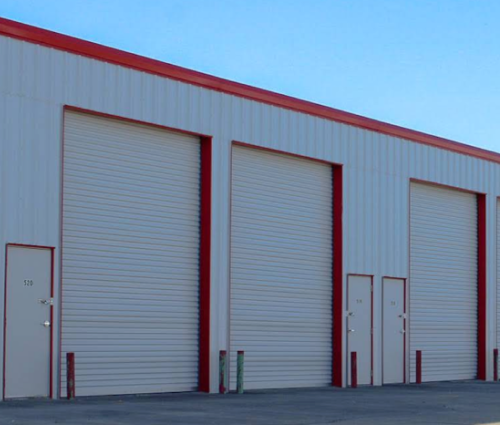
| Enclosed (non-climate) | $150 – $275 | Year-round protection from all elements | High (full enclosure) |
| Climate-controlled indoor | $200 – $450+ | Luxury RVs, classic boats, extreme climates | Maximum (temp and humidity regulated) |
Outdoor storage is the most affordable option and works well in regions with mild weather and low humidity. If you live in the Sun Belt and plan to use your RV or boat frequently throughout the year, outdoor parking with a quality cover may be all you need.
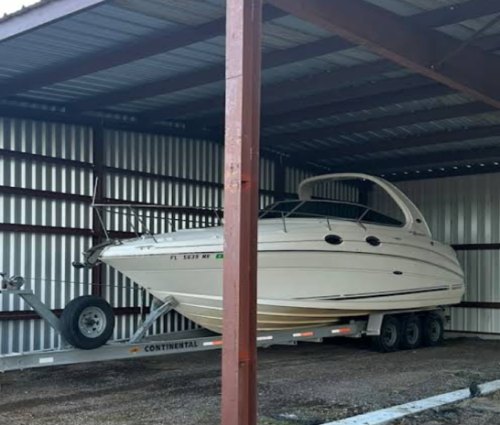
Covered boat and RV storage adds overhead protection, which is a meaningful upgrade in areas prone to hail, intense UV exposure, or heavy tree debris. Covered parking significantly reduces paint fading, rubber seal degradation, and roof damage from prolonged sun exposure.
Enclosed boat and RV storage provides full protection from weather, pests, and road debris. If you are storing your vehicle for an entire season or longer, enclosed storage pays for itself by preventing the kind of damage that leads to expensive repairs.
Climate-controlled boat and RV storage is the premium tier. Temperature and humidity regulation protects against mold, mildew, cracked dashboards, warped wood interiors, and electronics damage. For owners of high-end motorhomes, vintage boats, or vehicles with sensitive electronics and leather interiors, this level of protection is worth the investment.
How Much Does Boat and RV Storage Cost?
Cost is the question that drives most storage searches, and the honest answer is that it varies significantly based on location, storage type, and vehicle size.
National Cost Averages by Storage Type
| Factor | Outdoor | Covered | Enclosed | Climate-Controlled |
|---|---|---|---|---|
| Small boat/trailer (under 20 ft) | $50 – $80/mo | $90 – $140/mo | $125 – $200/mo | $175 – $300/mo |
| Mid-size RV/boat (20–30 ft) | $75 – $125/mo | $125 – $185/mo | $175 – $275/mo | $225 – $400/mo |
| Large motorhome/boat (30+ ft) | $100 – $175/mo | $160 – $225/mo | $225 – $350/mo | $300 – $450+/mo |
Several variables push costs higher or lower. Urban areas with limited land tend to charge 20–40% more than rural or suburban locations. Facilities near marinas or popular waterways often command a premium for boat storage specifically. And seasonal demand matters: securing storage in September or October before winter hits will almost always get you a better rate than scrambling in November.
Do Boat and RV Storage Facilities Charge by Length or Square Footage?
Most facilities price by linear foot or by predefined space size rather than strict square footage. A 10x30 outdoor parking space is a common standard for mid-size RVs, while larger motorhomes may need 10x40 or 12x40 spaces. Boats on trailers are typically measured by overall length including the trailer tongue and motor.
Always measure your vehicle before contacting a facility. Knowing your exact length, height, and width prevents surprises and helps you get an accurate quote on the first call.
Are There Discounts for Long-Term RV Storage Contracts?
Yes, and they are worth asking about. Many facilities offer 5–15% discounts for tenants who commit to six-month or annual contracts. Some also provide the first month free or reduced rates during off-peak seasons. If you know you will need storage for a full season or longer, a long-term commitment typically saves more than month-to-month flexibility costs.
Contact Good Boy Storage to ask about current pricing and available discounts at a location near you.
Which Boat and RV Storage Facilities Near Me Offer Both Short-Term and Long-Term Contracts?
Flexibility in contract terms matters more than most people realize when they first start shopping for storage. Life changes. You might plan to store your boat for six months and end up selling it in three. Or you might need RV storage for a two-week window between camping trips.
The best facilities offer both short-term and long-term options without penalizing you for choosing one over the other. Month-to-month agreements give you maximum flexibility, while longer commitments typically reward you with lower rates.
When comparing facilities, ask these specific questions:
- Is there a minimum rental period?
- What is the notice period for move-out?
- Are there early termination fees on long-term contracts?
- Can I switch between storage types (outdoor to indoor, for example) mid-contract?
Facilities that answer these questions transparently are the ones worth doing business with.
What Are the Best Boat and RV Storage Options With Covered Parking to Protect From Sun and Hail?
Sun and hail are two of the most destructive forces for vehicles stored outdoors, and most owners underestimate the cumulative damage until it is too late.
Prolonged UV exposure degrades rubber seals around windows and doors, fades exterior paint and decals, dries out and cracks caulking on RV roofs, and damages tires. Hail can dent metal panels, crack fiberglass, shatter skylights, and destroy awnings in a single storm.
Covered boat and RV storage eliminates the overhead exposure that causes the majority of this damage. A quality covered space features a metal or reinforced canopy at sufficient height to accommodate tall vehicles, adequate drainage to prevent water pooling, and enough width to allow easy vehicle access without scraping against support columns.
If your region is in what weather experts call "Hail Alley," stretching from Texas through the northern Plains, covered or enclosed storage is not optional. It is essential. The National Weather Service provides historical severe weather data by region that can help you assess your local risk.
Where Can I Store My Boat and RV Together at the Same Facility to Save Money?
Storing multiple vehicles at the same facility is a smart financial move. Many storage operators offer multi-vehicle discounts ranging from 5–10% off total monthly costs when you rent two or more spaces. Beyond the cost savings, managing one account at one location simplifies billing, access, and logistics.
When looking for a facility that accommodates both boats and RVs, prioritize locations with a range of space sizes. Your 35-foot motorhome and your 22-foot bass boat on a trailer have very different space requirements, and a good facility can accommodate both without forcing you into spaces that are too large or too tight.
Browse Good Boy Storage locations to find a facility with space for all your recreational vehicles in one convenient spot.
Where Can I Rent a Large Boat and RV Storage Space With Easy Highway Access?
Convenience is an underrated factor in storage satisfaction. If your facility is 45 minutes from home down winding back roads, you will dread every trip to pick up or drop off your vehicle. Worse, navigating a large motorhome or boat trailer through tight residential streets or low-clearance underpasses is stressful and risky.
The ideal facility sits near a major highway or interstate interchange with wide, well-maintained access roads. Look for locations that offer:
- Pull-through spaces so you never have to back a 40-foot RV into a tight spot
- Wide drive aisles designed for large vehicles
- Ground-level access without steep grades
- Paved surfaces that prevent mud, gravel damage, and tire sinking
Which Boat and RV Storage Companies Provide Online Booking and Automatic Payments?
Modern storage facilities have moved well beyond the clipboard-and-padlock era. The best operators now offer full digital experiences: online reservations, digital lease signing, autopay enrollment, mobile app access to gate codes, and online account management for payments and correspondence.
This matters for practical reasons. If you are comparing facilities on a Saturday night before a holiday weekend, the one that lets you reserve and pay online is the one that gets your business. Autopay also eliminates the risk of late fees and ensures uninterrupted access to your vehicle.
Which Boat and RV Storage Locations Offer Extra-Wide Spaces for Large Motorhomes and Trailers?
If you own a Class A motorhome, a fifth-wheel trailer, or a large cabin cruiser, standard parking spaces simply will not work. You need a facility that specifically caters to oversized vehicles.
Common Space Sizes for Large Vehicle Storage
| Vehicle Type | Recommended Space Size | Notes |
|---|---|---|
| Class A motorhome (30–45 ft) | 12x40 or 12x45 | Extra width for slide-outs |
| Fifth-wheel trailer (35–42 ft) | 12x45 | Height clearance critical for enclosed |
| Large boat on trailer (25–35 ft) | 12x35 or 12x40 | Account for motor and trailer tongue |
| Toy hauler (28–40 ft) | 12x40 | Rear ramp space needed |
Always ask about height clearance for enclosed and indoor storage. Class A motorhomes with rooftop AC units and satellite dishes can exceed 13 feet, and many enclosed facilities have door heights of only 12 feet. Confirm before you commit.
What Boat and RV Storage Facilities Provide Winter Storage and De-Winterizing Access?
Seasonal storage is a major segment of the boat and RV storage market, particularly in northern states where freezing temperatures make winter use impractical or impossible.
How Do I Prepare My Vehicle for Storage?
Proper winterization is critical to preventing costly damage during the off-season.
For RVs, this means:
- Draining and bypassing the water heater
- Blowing out all water lines with compressed air
- Adding non-toxic antifreeze to drain traps
- Disconnecting and removing batteries (store in a temperature-stable location)
- Covering tires or using tire covers to prevent UV and flat-spot damage
- Cleaning the interior thoroughly to prevent mold and pest attraction
- Closing all vents and sealing potential pest entry points
For boats, winterization includes:
- Flushing the engine with fresh water (especially for saltwater boats)
- Fogging the engine cylinders
- Draining all water systems
- Adding fuel stabilizer to a full tank
- Removing electronics and valuables
- Covering with a fitted, breathable cover
Some facilities offer de-winterizing services or provide on-site access for mobile technicians. This is a valuable perk if you prefer professional service over DIY preparation. Ask about electrical outlets for battery tenders, water access for spring wash-down, and whether the facility allows third-party service providers on site.
Where Can I Find Premium Boat and RV Storage With Paved Lots and Strong Lighting?
The difference between a budget lot and a premium facility often comes down to the details that affect your daily experience: paved surfaces, proper lighting, clean facilities, and professional management.
Paved lots matter for several reasons. Gravel and dirt surfaces kick up rocks that chip paint and damage undercarriages. Mud after rain makes maneuvering difficult and can literally trap heavy vehicles. And dust from unpaved surfaces settles on stored vehicles, requiring constant cleaning.
Strong, consistent lighting across the entire property serves dual purposes: safety and security. Well-lit facilities deter theft and vandalism while making early morning or late evening visits safe and practical.
Premium facilities also tend to offer higher-quality customer service, maintained restrooms, dump stations for RVs, and on-site air for tires. These amenities may seem minor until the day you need them.
Learn more about what sets Good Boy Storage apart and our commitment to providing a premium storage experience.
How Do I Find Boat and RV Storage With On-Site Management and Strict Security Measures?
On-site management is a meaningful differentiator. A facility with staff present during business hours (and sometimes beyond) provides faster response to issues, better maintenance of the property, and a human point of contact when something goes wrong.
Strict security goes beyond cameras and gates. The most secure facilities incorporate:
- Access logs that track every entry and exit
- Individual unit alarms
- Perimeter motion sensors
- Regular security audits
- Partnerships with local law enforcement for rapid response
When visiting a potential facility, pay attention to the condition of the property. Overgrown landscaping, burned-out lights, broken fencing, and trash accumulation are signs that management is not attentive. Security systems only work when they are maintained.
Is the Facility Secure and Monitored?
This should be one of your first questions, and the answer should be specific, not vague. "Yes, we have cameras" is not the same as "We operate 32 HD cameras with 30-day footage retention, electronic gated access with individual codes, and nightly security patrols." Demand specifics.
Do I Need Climate-Controlled Storage for My Boat or RV?
Climate-controlled storage is not necessary for every vehicle, but it is the right choice in specific circumstances.
You likely need climate control if:
- You own a motorhome or yacht with leather, wood, or high-end interior finishes
- Your region experiences extreme temperature swings (below 20°F or above 100°F regularly)
- You are storing for more than six months at a time
- Your vehicle contains sensitive electronics, musical instruments, or artwork
- You have experienced mold or mildew issues in previous storage
You can likely skip climate control if:
- You are storing short-term in a moderate climate
- Your vehicle has minimal interior finishes
- You plan to use the vehicle regularly throughout the storage period
The cost difference between enclosed and climate-controlled storage is typically $50–$150 per month. For a $200,000 motorhome with a custom interior, that premium is insignificant relative to the protection it provides.
What Size Space Do I Need for My RV or Boat?
Choosing the right space size avoids two problems: paying for space you do not use, and cramming your vehicle into a space that risks door dings, mirror damage, or access headaches.
Quick Sizing Guide
| Vehicle | Typical Length | Recommended Space |
|---|---|---|
| Pop-up camper | 10–16 ft | 10x20 |
| Travel trailer | 18–25 ft | 10x25 or 10x30 |
| Class C motorhome | 22–32 ft | 10x30 or 12x35 |
| Class A motorhome | 30–45 ft | 12x40 or 12x45 |
| Bass/ski boat on trailer | 18–22 ft | 10x25 |
| Cabin cruiser on trailer | 22–30 ft | 12x30 or 12x35 |
| Pontoon on trailer | 20–26 ft | 12x30 |
Add at least 2–3 feet beyond your vehicle's total length (including hitch, motor, and trailer tongue) for comfortable access. For width, account for slide-outs on RVs and mirror extensions.
Are There 24/7 Access Hours?
Access hours vary widely between facilities. Some offer true 24/7 access, while others restrict entry to specific hours, typically 6:00 AM to 10:00 PM.
If you are an early riser who wants to hit the lake at dawn or a traveler who returns from road trips late at night, unrestricted access is non-negotiable. Confirm access hours before signing a lease, and ask whether there are any seasonal changes to the schedule.
Some facilities offer extended or 24/7 access as a premium add-on for a small monthly fee. This can be a worthwhile upgrade for frequent users.
What Amenities Are Included?
The baseline amenities you should expect from any reputable boat and RV storage facility include gated access, surveillance cameras, adequate lighting, and paved or well-maintained surfaces.
Beyond that, amenities that add real value include:
- Electrical outlets for battery maintenance
- Water access for washing
- Dump stations for RV tanks
- Air stations for tires
- Pull-through spaces
- On-site supplies (locks, covers, cleaning products)
- Wi-Fi or mobile app for account management
Not every facility offers every amenity, and that is fine. The key is matching the amenities to your actual usage patterns. If you never wash your vehicle on site, you do not need to pay a premium for water access.
Are There Size Restrictions?
Most facilities have maximum vehicle dimensions, particularly for height (relevant for enclosed and indoor storage) and weight (relevant for facilities with structural load limits). Some facilities also restrict vehicle types, excluding commercial vehicles, vehicles without current registration, or vehicles in non-operational condition.
Always disclose your vehicle's exact dimensions and condition upfront. Showing up on move-in day with a vehicle that does not fit is a problem nobody wants to deal with.
Protecting Your Investment: Why Tenant Protection Plans Matter
Even in the best storage facility, unexpected events happen. A freak storm, a burst pipe, or a pest intrusion can cause damage that your standard auto or homeowners insurance may not fully cover while your vehicle is in storage.
Tenant protection plans fill this gap. They are typically affordable, ranging from $10 to $30 per month depending on coverage level, and they provide peace of mind that your vehicle is financially protected against covered events.
Learn about Good Boy Storage's tenant protection options to ensure your boat or RV is covered from day one.
Why Is Boat Storage So Expensive?
Boat storage, especially near marinas or coastal areas, tends to cost more than RV storage for several reasons:
- Waterfront property commands higher land costs, which get passed to tenants
- Boats often require specialized storage conditions including hull support and moisture management
- Demand near popular boating areas consistently outstrips supply
- Marina-adjacent facilities offer convenience that commands a premium
If you are looking to reduce boat storage costs, consider facilities slightly farther from the water. A 15-minute drive to the boat ramp can save you 20–30% on monthly storage compared to a marina-adjacent location.
Does Boat Storage Cost More Near the Water?
Almost always, yes. Proximity to launch points is the single biggest cost driver for boat storage. The tradeoff is convenience versus savings, and the right choice depends on how frequently you use your boat.
How Much Should I Budget for Annual Boat Storage?
For annual budgeting, multiply your expected monthly cost by 12 and add 10–15% for incidentals: winterization supplies, cover replacement, battery maintenance, and any facility fees.
A reasonable annual budget for mid-size vehicle storage:
- Outdoor:$900 – $1,500
- Covered:$1,200 – $2,100
- Enclosed:$1,800 – $3,300
- Climate-controlled:$2,400 – $5,400+
These ranges represent national averages. Your actual costs will depend on your specific market, vehicle size, and the facility you choose.
Is Covered RV Storage Worth the Extra Money?
For most RV owners, covered storage represents the best value in the market. It costs significantly less than indoor or climate-controlled options while eliminating the primary threats that outdoor storage exposes your vehicle to: UV radiation, hail, heavy rain, snow accumulation, and tree debris.
If you are currently paying for outdoor storage and spending money on roof repairs, seal replacements, or paint restoration, upgrading to covered storage will likely cost less than those ongoing repairs.
Making the Right Boat and RV Storage Decision
Choosing the right storage facility is not just a cost decision. It is a protection decision. Your boat or RV is likely one of the most significant recreational investments you will make, and the storage environment you choose directly impacts its longevity, appearance, and resale value.
Start by assessing your actual needs: how long you will store, what climate risks exist in your area, how often you need access, and what your vehicle is worth. Then match those needs to a facility that provides the right level of protection, security, and convenience without overpaying for features you will not use.
The owners who protect their vehicles best are the ones who treat storage as part of the ownership cost, not an afterthought. Budget for it, choose wisely, and your boat or RV will be ready to perform whenever you are ready to use it.
Ready to find the right space for your boat or RV?
Contact Good Boy Storage today or browse our locations to see available spaces near you.
Frequently Asked Questions
Boat and RV storage ranges from $50 per month for basic outdoor parking to $450 or more per month for climate-controlled indoor storage, depending on vehicle size and location.
Indoor RV storage typically costs two to three times more than outdoor, with indoor averaging $150–$350 per month compared to $50–$125 for outdoor.
Winter boat storage averages $100–$250 per month for covered or enclosed options in northern states, not including winterization service costs.
Yes, covered storage prevents UV, hail, and weather damage that often costs more to repair annually than the price difference between covered and outdoor storage.
High land costs near waterways, specialized storage requirements, and strong seasonal demand drive boat storage prices above typical vehicle storage rates.
Budget $900–$5,400 annually depending on storage type, with mid-range covered or enclosed options averaging $1,500–$3,000 per year for a mid-size boat.
Most facilities charge by linear foot or by predefined space dimensions such as 10x30 or 12x40 rather than strict square footage.
Many facilities offer 5–15% discounts for six-month or annual commitments, and some provide a free first month for long-term tenants.
Yes, marina-adjacent and waterfront storage facilities typically charge 20–30% more than comparable facilities located further inland.
Measure your vehicle's total length including hitch and motor, then add 2–3 feet for comfortable clearance when selecting your storage space size.
Indoor storage provides superior protection and is better for long-term storage or high-value vehicles, while outdoor works well for short-term, budget-conscious storage in mild climates.
Winterize water systems, stabilize fuel, disconnect batteries, clean the interior thoroughly, cover tires, and seal all potential pest entry points before storing.